Why Dust Collectors Are Essential for a Cleaner Work Environment?
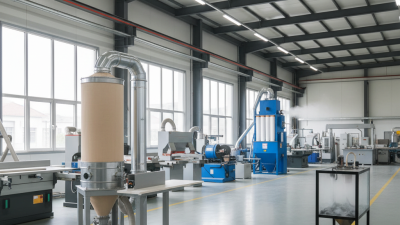
In today's industrial landscape, maintaining a clean work environment is crucial. Dust collectors play a vital role in achieving this goal. According to a report by the Environmental Protection Agency (EPA), improper dust management can lead to serious health issues for workers. Dust can cause respiratory problems, reduced productivity, and increased absenteeism. The importance of dust collectors cannot be overstated.
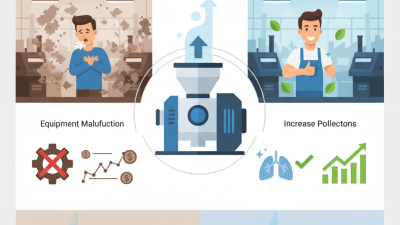
Dr. Emily Grant, a leading expert in occupational health, emphasizes, "Investing in effective dust collectors is a necessity, not a luxury." This statement underlines the critical nature of these systems. Effective dust collection systems can lead to a 30% increase in productivity, as workers are less distracted by dust-related issues. However, many companies overlook the need for regular maintenance of their dust collection systems. This negligence can reduce their efficiency over time.
The benefits of dust collectors extend beyond compliance with regulations. They contribute to a healthier workplace, resulting in enhanced employee morale and lower turnover rates. Yet, the challenge remains—companies must prioritize investing in and maintaining these systems. Without that commitment, the cost of poor air quality may outweigh the initial savings.
Importance of Dust Collectors in Industrial Settings for Health Standards
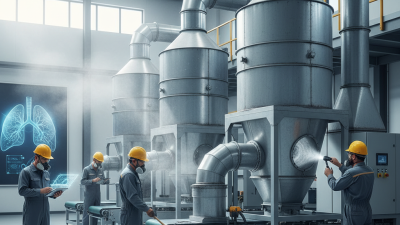
Dust collectors play a crucial role in maintaining health standards in industrial settings. According to the U.S. Occupational Safety and Health Administration (OSHA), exposure to airborne dust can lead to serious health issues. Fine particulate matter can cause respiratory problems, lung disease, and even cancer. Every year, thousands of workers face these dangers. Implementing effective dust collection systems can significantly reduce these risks.
In a recent industry report, it was noted that up to 30% of workplace injuries are linked to inhaling harmful dust. Dust collectors capture particles before they spread. They filter out pollutants and create a cleaner workspace. In environments like woodworking or metalworking, dust is prevalent. Without proper systems, this dust accumulates. It not only poses health risks but can also lead to safety hazards, such as explosions.
Many facilities underestimate the need for dust collection. Regular inspections uncover lapses in compliance with health standards. Some workers may not speak up about their concerns. This silence can lead to a toxic environment. It’s essential for management to prioritize air quality. Investing in dust collectors is not just about compliance; it’s about employee well-being. Every decision made impacts those working on the floor.
Importance of Dust Collectors in Industrial Settings for Health Standards
The Impact of Dust Accumulation on Worker Productivity and Safety Metrics
Dust accumulation can create a hostile work environment. When dust settles, it can reduce air quality significantly. Poor air quality affects workers’ health directly. Respiratory issues may arise, leading to increased sick days. Productivity can also take a hit. Workers may feel fatigued or distracted due to polluted air.
Dust is often invisible but hazardous. Even small amounts can have long-term effects. Employees might try to adapt, but this is not sustainable. Many workers overlook how dust impacts focus and efficiency. A single dust buildup can set back projects. Teams lose motivation when fighting against poor conditions.
Implementing dust collectors is a practical solution. This equipment reduces dust levels dramatically. Cleaner air enables workers to perform better. Improved air quality leads to better morale. When workers feel safe, they tend to be more productive. A clean environment is not just nice. It’s essential for success in any workplace.
Regulatory Standards for Air Quality and Dust Management in Workplaces
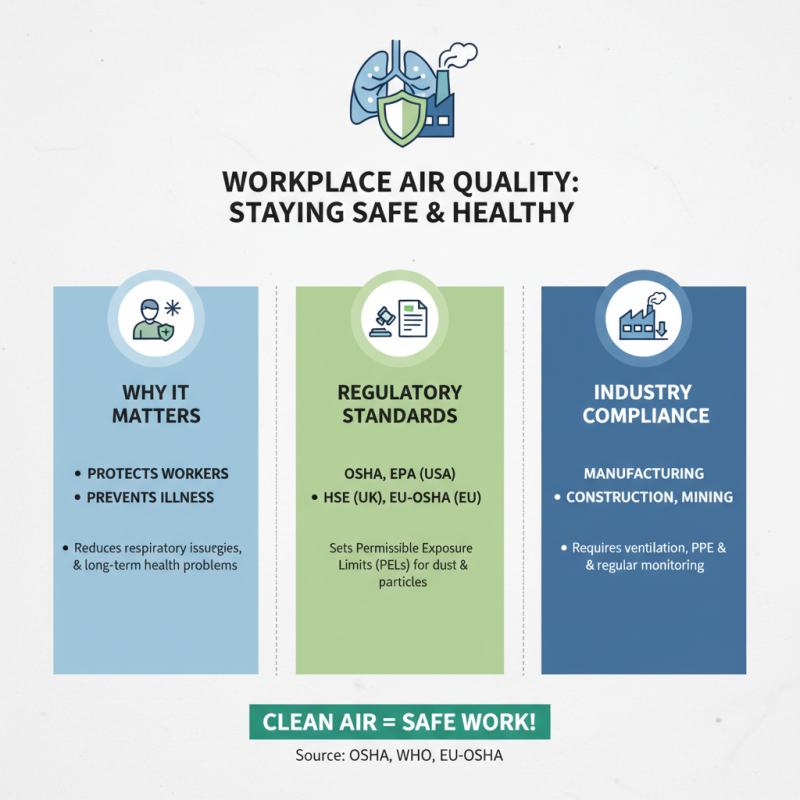
Maintaining air quality is crucial in any workplace. Regulatory standards exist to protect workers from harmful dust and airborne particles. These guidelines aim to minimize exposure to contaminants that can cause health problems. Many industries must adhere to strict limits set by local and national authorities.
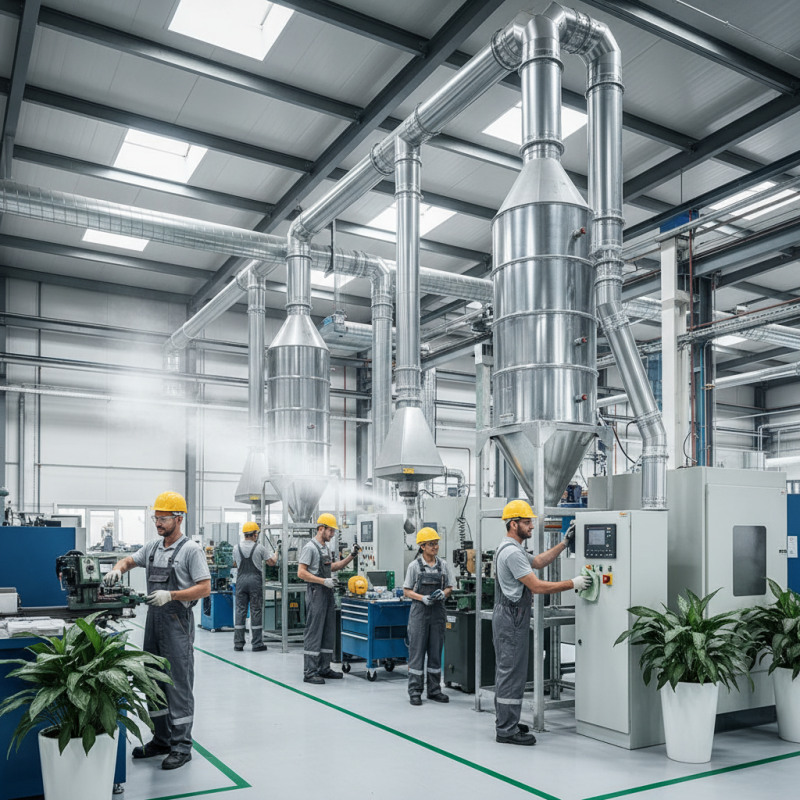
Dust collectors play an important role in meeting these standards. They capture dust at the source, preventing it from circulating in the air. This process helps create a healthier work environment. However, not all systems are effective. Some may need regular maintenance to function properly. Neglecting this can lead to increased dust levels, which violates regulations. Employees may become exposed to hazardous materials, risking their health.
In addition to compliance, a clean workspace promotes productivity. Workers can focus better when their environment is free from distractions like dust. It’s essential to prioritize dust management to foster well-being and efficiency. Regular training on dust control methods is also needed. This ensures everyone understands their responsibilities. Creating a culture of awareness around air quality can lead to continual improvement.
Comparative Analysis of Dust Collector Systems and Their Efficiency Ratings
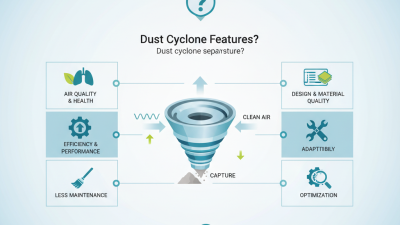
Dust collector systems play a crucial role in maintaining a clean work environment. Their efficiency ratings vary significantly based on design and application. Some systems excel in capturing large particulate matter, while others focus on fine dust. Understanding these differences can help businesses choose the right option for their needs.
Efficiency is often measured by the dust removal rate. Some models may claim high efficiency, but in practice, they fall short. Regular maintenance can affect performance too. Proper installation impacts a dust collector's ability to function. Without adequate testing, users might overlook issues like airflow and pressure drops. Dust particles can linger, creating health risks.
Different environments require tailored solutions. A woodworking shop may need a more robust system compared to a metalworking area. Yet, overly complex systems might not always be the best choice. Sometimes, simpler designs provide reliable performance without excessive costs. Each workspace presents unique challenges, requiring constant evaluation and adaptation.
Case Studies: Successful Dust Control Implementation in Various Industries
Dust collectors play a crucial role in various industries. In woodworking shops, for example, dust can accumulate quickly. One case study shows a furniture factory that reduced air pollutants significantly. Workers noticed improved air quality and fewer respiratory issues. The factory now operates with a state-of-the-art dust collection system.
In metalworking industries, dust and metal shavings create serious health risks. A recent implementation in a machining facility showcased the benefits. They installed a central dust collector that captured 98% of the particles. Employees reported feeling safer and more productive. The investment paid off within months through fewer health concerns.
**Tip:** Regular maintenance of dust collectors is essential. Neglecting them can lead to inefficient performance and potential hazards.
Another example comes from food processing plants. These facilities must adhere to strict hygiene standards. Implementing dust control measures helps minimize contamination risks. One plant saw a significant drop in product recalls after improving their dust management.
**Tip:** Training staff on the importance of dust control is crucial. Engaging employees can foster a culture of cleanliness.
Dust collectors improve health and safety in various workplaces. However, companies must continuously assess their systems for effectiveness. Regular feedback can highlight areas needing improvement.