Why Are Dust Collectors Essential for Clean Workspaces?
In modern work environments, maintaining cleanliness is crucial for safety and productivity. Dust collectors play a vital role in this aspect. These machines capture harmful dust particles before they spread, ensuring a clean atmosphere.
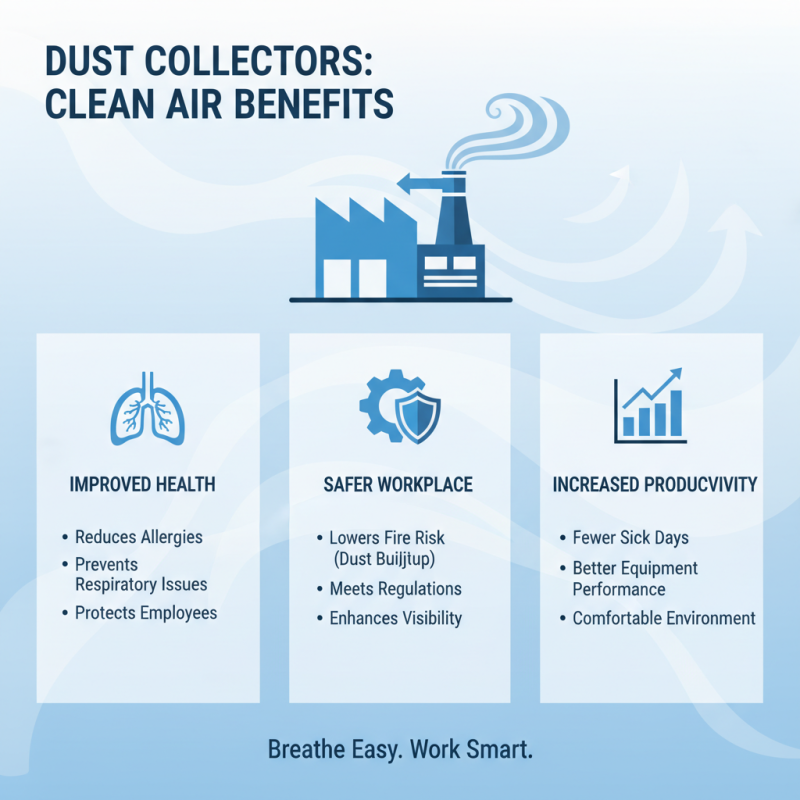
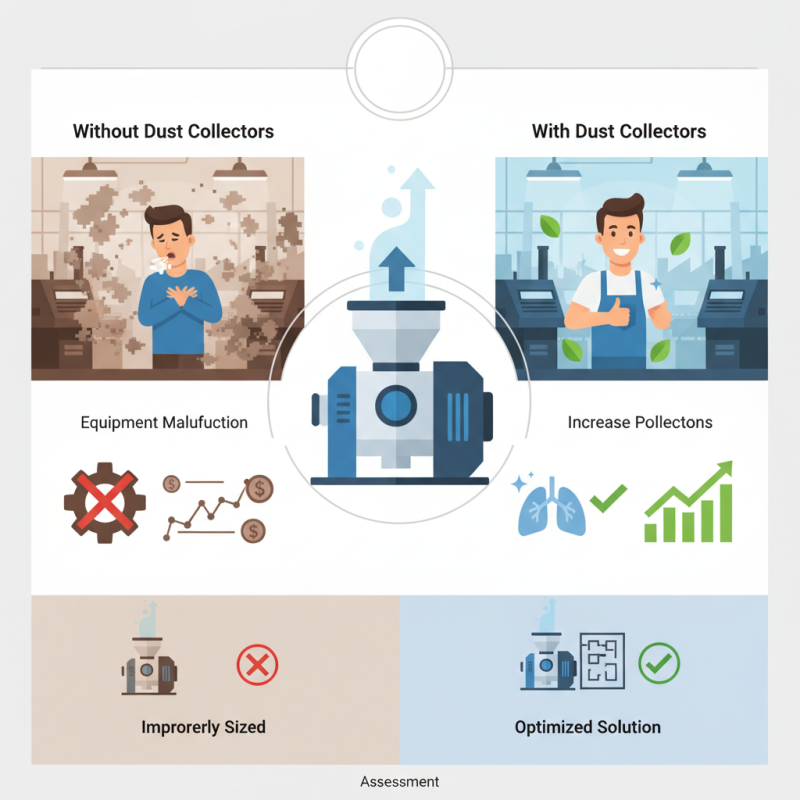
Without dust collectors, hazardous particles can accumulate, posing health risks. Workers can experience respiratory issues or allergic reactions. A clean workspace promotes focus and efficiency, which is often disrupted by dust. The presence of dust can lead to equipment malfunctions and increased maintenance costs.
However, implementing dust collectors is not a one-size-fits-all solution. Companies must assess their specific needs. An improperly sized dust collector may not provide adequate protection. Thus, understanding the workspace and workflow is essential for optimizing dust removal. Investing in the right dust collectors can make a significant difference in a workplace's health and productivity.
Importance of Dust Collectors in Maintaining Indoor Air Quality
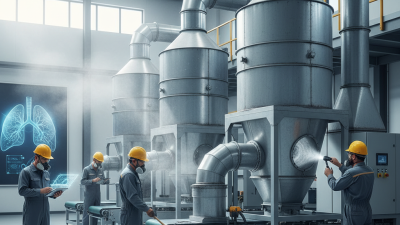
Dust collectors play a crucial role in maintaining indoor air quality. In many workplaces, fine particles and dust can easily circulate in the air. This can affect the health of employees over time. When dust builds up, it creates an unhealthy environment. Workers may experience allergies or respiratory problems. A dust collector helps to trap these particles, reducing their presence in the air.
Effective air quality management needs consistent effort. Regular maintenance of dust collectors is essential to ensure they function properly. Neglecting to clean or replace filters can lead to reduced efficiency. This invites more dust back into the workspace. It’s not just about installing equipment; it requires ongoing attention. Regular checks and updates can make a significant difference in overall air purity.
Creating a clean workspace requires teamwork. Everyone must understand the importance of using dust collectors. Without cooperation, the benefits can be diminished. Small adjustments, like phone reminders or scheduled cleanings, can foster participation. It's a reminder that maintaining air quality is not just a task; it’s a shared responsibility. Acknowledging these challenges paves the way for a healthier work environment.
Impact of Dust Accumulation on Employee Health and Productivity
Dust accumulation can significantly impact both employee health and workplace productivity. Fine particulate matter, often unnoticed, can lead to respiratory issues. Employees exposed to high dust levels may experience coughing and allergies. These conditions can result in sick days, affecting output. The consequences are tangible—fewer working hours translate into decreased productivity.
Moreover, a dusty environment can lower morale. Visibility can be impaired, making it difficult to see work areas clearly. A cluttered workspace can induce stress. When employees feel their surroundings are unclean, it affects their mental well-being. Keeping the workspace clean is not merely aesthetic; it has repercussions on how employees feel and perform their tasks. Ignoring this can lead to more significant issues over time.
Implementing effective dust control measures, like using dust collectors, can create a healthier workspace. Interestingly, many organizations overlook this detail, prioritizing other aspects over air quality. However, a clean environment is essential for optimal performance. Cleaning isn't just about looks; it’s about sustaining health and efficiency.
Regulatory Standards for Dust Management in Various Industries
Dust management is a significant concern across various industries. Many regulations dictate acceptable dust levels to protect worker health. For example, OSHA sets permissible exposure limits (PELs) for respirable crystalline silica at 50 µg/m³ over an 8-hour shift. High dust levels can lead to severe respiratory problems and decreased productivity.
Construction sites often struggle to meet these standards. A study revealed that 50% of construction workers face daily exposure to hazardous dust. Without effective dust collection systems, these workers are at risk. Furthermore, the woodworking industry is equally affected. According to the National Institute for Occupational Safety and Health (NIOSH), wood dust exposure can cause serious long-term health issues.
Compliance is not just a legal requirement; it reflects a company's commitment to safety. However, many companies still overlook dust regulations. Dust collection systems can mitigate risks and improve workplace safety. Investing in proper systems shows a proactive approach to health concerns, yet some industries still lag behind in implementation. Understanding these standards is crucial, as avoidance can lead to costly fines and unsafe work environments.
Why Are Dust Collectors Essential for Clean Workspaces? - Regulatory Standards for Dust Management in Various Industries
| Industry |
Regulatory Body |
Dust Limit (mg/m³) |
Importance of Dust Collection |
| Construction |
OSHA |
5 |
Prevents respiratory issues and maintains air quality. |
| Manufacturing |
EPA |
10 |
Reduces product contamination and enhances worker safety. |
| Food Processing |
FDA |
2 |
Ensures sanitation and prevents spoilage. |
| Woodworking |
NFPA |
1 |
Minimizes fire hazards and exposure to harmful dust. |
| Pharmaceuticals |
WHO |
0.5 |
Critical for maintaining product integrity and worker health. |
Cost-Benefit Analysis: Investing in Efficient Dust Collection Systems
When considering the efficiency of a workspace, the role of dust collectors is often overlooked. Effective dust collection systems can lead to significant cost savings in various ways. Without proper dust management, harmful particles accumulate, leading to health issues. This can result in higher medical expenses and increased employee absenteeism. Investing in dust collectors can reduce these risks, promoting a healthier workplace.
The upfront cost of a quality dust collection system can be daunting. However, this investment pays off over time. Reduced cleanup efforts mean less downtime. Equipment longevity improves as dust and debris do not cause damage. Companies may also benefit from lower insurance premiums by maintaining a safer environment. Yet, not all systems are created equal, and it’s important to evaluate options and efficiency ratings critically.
Some businesses face challenges in implementation. Employees might resist changes to existing workflows. Training is crucial for maximizing the potential of dust collectors. Regular maintenance is also vital for keeping systems running efficiently. A focus on the right practices can transform initial hesitance into long-term benefits, reinforcing the importance of a dust-free workspace.
Types of Dust Collectors and Their Applications in Different Workspaces
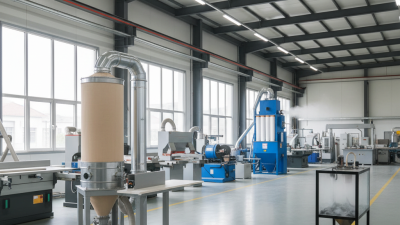
Dust collectors are crucial for maintaining a clean workspace. Different environments require various types of dust collectors. For instance, in woodworking shops, cyclonic dust collectors work best. They effectively separate heavy dust particles, keeping the air clear. In metalworking environments, cartridge collectors are more suitable. They filter out fine particulate matter, ensuring worker safety.
Tip: Always assess your workspace to choose the right dust collector. Understanding the type of dust produced can greatly enhance safety. For cleaning smaller areas, portable dust collectors are excellent choices. They are easy to move and perfect for not-so-large tasks.
In laboratories, HEPA filter dust collectors are often necessary. They capture micro-particles, minimizing contamination risks. However, many spaces overlook the importance of regular maintenance. A neglected dust collector can lead to inefficiency. Regularly checking filters and collection bags is essential for optimal performance.
Tip: Set a schedule for maintenance tasks to avoid dust buildup. Simple tasks can save a lot of time and effort in the long run. Don't underestimate the impact of clean air on worker health and productivity.