What are Dumping Stations and How Do They Work?
Dumping stations play a crucial role in waste management systems. They are designated locations where RV and camping enthusiasts can properly dispose of their waste. By understanding how dumping stations operate, one can appreciate their importance in maintaining environmental hygiene.
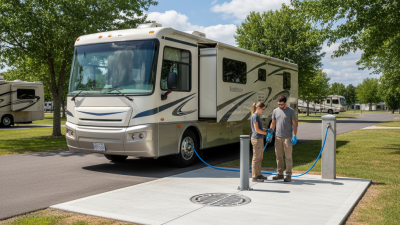
These facilities typically feature designated areas equipped with hoses and drainage systems. Users connect their RV waste tanks to dispose of sewage safely. Exploring the mechanics of dumping stations reveals their convenience and necessity. However, one must ensure proper usage to prevent contamination and mishaps.
Despite their benefits, not all dumping stations are created equal. Some may lack essential facilities, leading to user frustration. It's vital to research and choose well-maintained stations. Overall, dumping stations are essential for outdoor recreation, promoting a cleaner ecosystem. Understanding their function helps users contribute positively to the environment while enjoying their travels.

What Are Dumping Stations? An Overview of Their Purpose and Functionality
Dumping stations serve a crucial role in waste management, particularly for RV and camping enthusiasts. These facilities provide a designated place to dispose of wastewater and sewage from portable toilets. Typically found in campgrounds, rest areas, or RV parks, they come equipped with connected pipes that allow for safe and efficient waste removal.
The functionality of dumping stations varies. Many have a simple drain connected to a sewer line, enabling gravity to assist in waste disposal. Others feature specialized equipment to facilitate a more thorough cleaning process. Users should be aware of several operational considerations. For example, misusing the station can lead to unpleasant odors or contamination. Proper hygiene practices are essential to maintain sanitary conditions.
Moreover, while these stations help manage waste, they often require regular maintenance. Overlooking this can cause clogs or malfunctions. It's essential for facilities to regularly inspect and service these systems. Sustainable practices, like conserving water during dumping, can enhance the longevity of dumping stations. Recognizing the significance of these facilities can encourage responsible usage and foster a cleaner environment for everyone.
The Components of Dumping Stations: Key Equipment and Their Roles
Dumping stations are essential facilities designed for the disposal of waste. They play a critical role in managing fluids, especially for recreational vehicles and larger equipment. Understanding the components of these stations can help optimize their use and maintenance.
One key component is the holding tank. This tank stores waste temporarily until it can be processed. Its size varies based on the expected volume of waste. A well-maintained tank prevents overflows and unsanitary conditions. Additionally, the drainage system ensures that waste is properly channeled away from the station, safeguarding the environment.
Pumps are another vital element. They facilitate the movement of waste from the holding tank to a treatment facility. Regular inspection and upkeep of the pumps are necessary to avoid breakdowns. Users may overlook this aspect. Hoses also play an important role in the process, helping to transfer waste with minimal spillage. Each component works in unison, yet failures in one area can disrupt the whole operation. Proper training and established protocols ensure that these stations function effectively, promoting safety and efficiency.
Operational Mechanisms: How Dumping Stations Process Waste Efficiently
Dumping stations play a critical role in waste management. These sites collect waste from various sources and manage it effectively. They serve as essential hubs for transferring waste to processing facilities. Efficient operations at dumping stations minimize environmental impact.
Most dumping stations use a combination of manual labor and mechanized systems. These stations have specific protocols for receiving, sorting, and storing waste. For example, the EPA reports that more than 60% of waste can be recycled or composted if properly managed at the source. This high percentage highlights the importance of effective waste separation processes at dumping facilities.
Operational challenges exist, however. High volumes of waste can overwhelm small stations. In addition, improper disposal can complicate sorting efforts. Studies show that 15% of waste reaches dumping stations that should have been disposed of elsewhere. Such issues emphasize the need for better public awareness. Continuous improvement in operational mechanisms is necessary for tackling these challenges.
Industry Standards and Regulations Governing the Use of Dumping Stations
Dumping stations play a crucial role in waste management, particularly in the RV and camping industry. These facilities are designed to accept sewage and wastewater from recreational vehicles. Their operation is governed by various industry standards and regulations. Compliance with guidelines is vital to ensure environmental safety and public health.
The Environmental Protection Agency (EPA) sets forth regulations that stipulate how dumping stations must function. These regulations often require proper signage, minimum distances from water sources, and secure connections to sewer systems. According to a report from the National Association of RV Parks and Campgrounds, approximately 60% of RV users cite access to sanitary dumping stations as a critical factor when choosing a campsite. This emphasizes the importance of maintaining high standards at these facilities.
Many dumping stations still struggle to meet optimal conditions. Issues like odor control, maintenance deficits, and inadequate training for users can arise. Regular inspections are crucial. However, a 2021 survey indicated that nearly 30% of stations do not undergo consistent evaluations. This lack of oversight can lead to environmental risks. More awareness and training are necessary in the industry to ensure all stations adhere to established protocols and maintain their integrity.
Usage of Dumping Stations in Various Industries
The Importance of Dumping Stations in Waste Management and Public Health
Dumping stations play a crucial role in waste management and public health. These facilities safely handle waste from various sources, including recreational vehicles. According to the Environmental Protection Agency (EPA), nearly 40% of RV waste is improperly disposed of. This poses serious risks to local ecosystems and water sources.
When users dispose of waste at dumping stations, they prevent harmful substances from entering the environment. Without these facilities, waste can contaminate groundwater and soil. The CDC states that improper disposal can lead to the spread of diseases, affecting both wildlife and human populations. Data from the National Park Service indicates that well-managed dumping stations reduce incidents of pollution by up to 70%.
Despite their importance, many areas still lack adequate dumping stations. This can lead to overflow and illegal dumping. Reports show that in some regions, up to 30% of waste is not disposed of correctly. This gap highlights the need for increased awareness and infrastructure investments in waste management. Addressing these issues can significantly enhance public health and environmental safety.