How to Choose the Right Belt Bucket Elevator for Your Needs?
Choosing the right Belt Bucket Elevator can be daunting. It's crucial to understand your specific needs. John Smith, an expert in material handling, once said, "Selecting the right equipment is key to efficiency." This highlights the importance of making informed decisions.
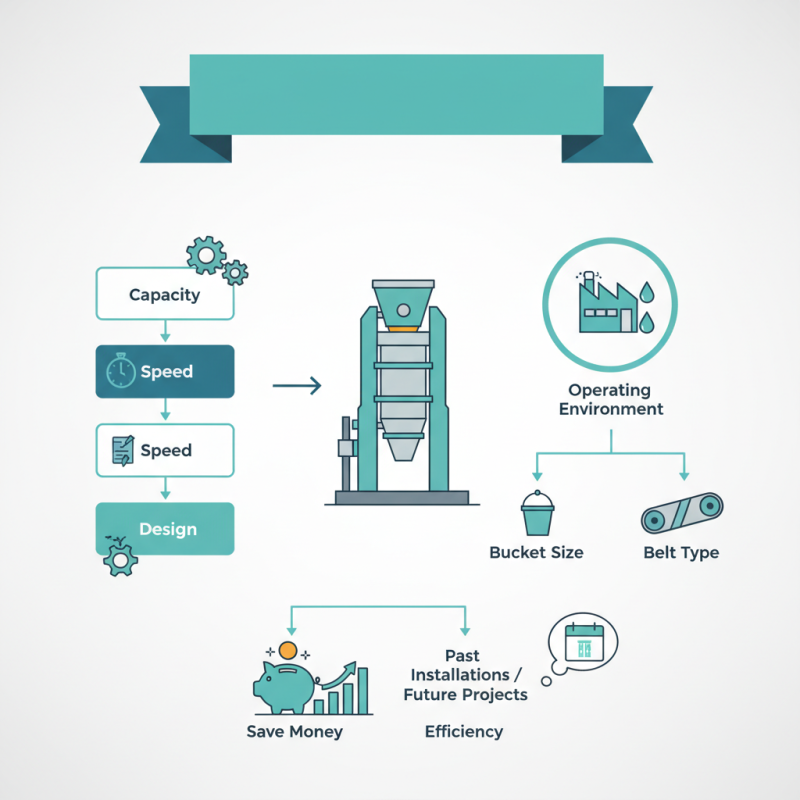
A Belt Bucket Elevator transports bulk materials. It is essential for industries dealing with various goods. The capacity, speed, and design must match your requirements. For instance, a high-capacity elevator may suit large projects but could be overkill for smaller tasks. This mismatch can lead to wasted resources and inefficiencies.
Consider also the environment where the elevator will operate. Dusty or wet conditions can affect performance. Each detail matters, from bucket size to belt type. Lack of attention to these factors could result in poor productivity. Investing time in the selection process may save money in the long run. Reflection on past installations can guide your choices for future projects.
Understanding the Basics of Belt Bucket Elevators
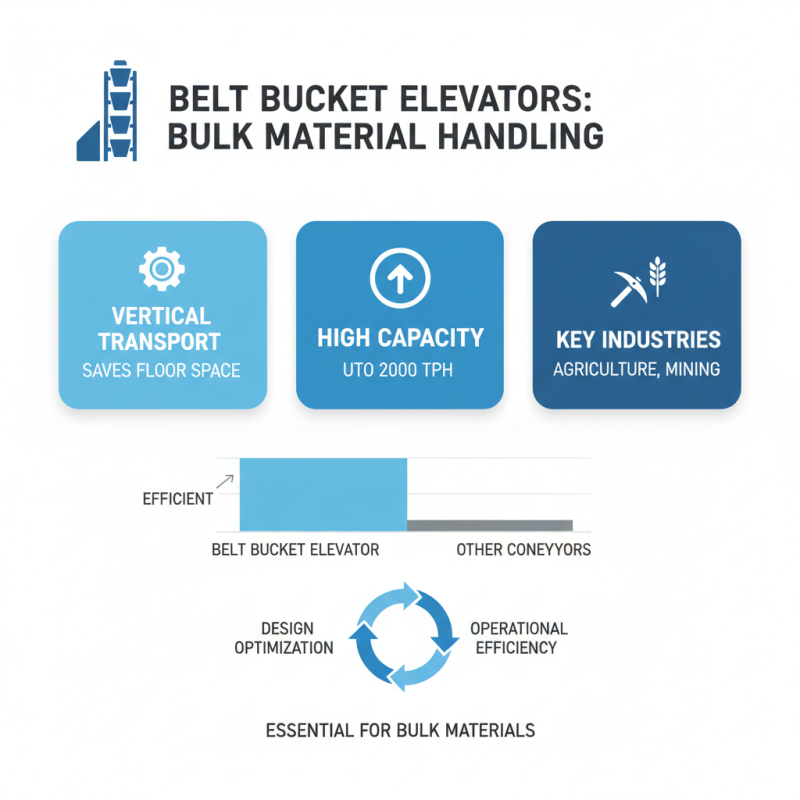
Belt bucket elevators are essential for bulk material handling. They transport materials vertically, saving floor space. Understanding their design is crucial for operational efficiency. A reliable source indicates that belt bucket elevators can achieve capacities up to 2000 tons per hour. This capacity makes them ideal for industries like agriculture and mining.
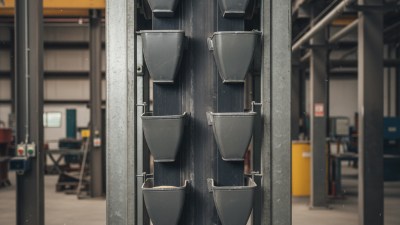
The basic components of a belt bucket elevator include the bucket, belt, drive unit, and casing. Buckets are typically made of steel or plastic, varying in size and shape. The choice of bucket directly influences the efficiency of material handling. Reportedly, poorly designed buckets can lead to spillage and material loss. It's important to select the right type for specific materials to avoid these issues.
In addition to design, installation plays a significant role. Improper alignment or tension can lead to premature wear of the belt. A study found that improper installations can increase maintenance costs by 30%. This highlights the need for careful planning and execution in both design and installation phases. Evaluating these factors is vital for ensuring the longevity and effectiveness of belt bucket elevators.
Identifying Your Material Handling Requirements
When selecting a belt bucket elevator, it’s vital to understand your specific material handling needs. Different materials have unique properties. Consider weight, size, and flow characteristics. For instance, heavy bulk materials might require stronger belts. Each material behaves differently during transportation. You need a thorough assessment of the material’s abrasiveness and moisture content.
Also, think about the handling environment. Is it dusty or humid? These conditions can affect the elevator's performance. A clean, dry environment is ideal for many systems. However, if your material is prone to dust, a sealed system might be better. Reflect on the types of materials you'll frequently handle. Different materials may call for different bucket designs. Larger buckets might handle bulkier items, while smaller ones are better for fine materials. Balancing these factors is essential to achieve optimal efficiency.
Evaluating Different Design Configurations
When selecting a belt bucket elevator, design configurations play a crucial role. Various designs cater to distinct needs. Some elevators are ideal for lighter materials, while others handle bulkier loads. The height and layout of your facility will affect your choice. Consider the space available for installation.
A straight design may work well in certain setups. However, when navigating tight corners, a curved belt design might be necessary. Each option has strengths and weaknesses. For example, a wider belt can carry more volume but may require more power, leading to higher energy costs. Evaluate your current or future needs carefully.
Material selection is essential, too. The choice often depends on the environment. If operation involves high temperatures or corrosive materials, choose accordingly. These specifics can alter performance significantly. Remember, a design that works for one application may fall short for another. It's vital to analyze your unique requirements to find the best fit.
Assessing Capacity and Performance Metrics
When selecting a belt bucket elevator, assessing capacity and performance metrics is crucial. Start by determining the required throughput of materials. Consider how much weight you need to move. You should analyze your material's characteristics. Factors like density, abrasiveness, and moisture content play significant roles. This will influence both the size and type of elevator needed.
Performance metrics also matter. Evaluate the speed of the elevator. Some applications require faster movement, while others prioritize gentle handling. Look at the maximum height the elevator must reach. Will it need to navigate tight spaces? These considerations can complicate your selection. Sometimes, it’s best to consult with an expert to ensure your decisions align with industry standards.
Remember, there’s no one-size-fits-all solution. What works for one application may not suit another. Testing different configurations can lead to unexpected insights about efficiency. Don't be afraid to rethink your choices. Sometimes, initial assumptions may not prove accurate. Evaluating real-world performance can lead to improvements or even a complete overhaul of your plan.
How to Choose the Right Belt Bucket Elevator for Your Needs? - Assessing Capacity and Performance Metrics
| Model |
Capacity (ton/hour) |
Bucket Volume (liters) |
Height (meters) |
Speed (m/s) |
Power (kW) |
| Model A |
50 |
2.5 |
20 |
1.2 |
5.5 |
| Model B |
75 |
3.0 |
25 |
1.5 |
7.5 |
| Model C |
100 |
4.0 |
30 |
2.0 |
10.0 |
| Model D |
120 |
4.5 |
35 |
2.2 |
12.0 |
| Model E |
150 |
5.0 |
40 |
2.5 |
15.0 |
Considering Maintenance and Operating Costs
When choosing a belt bucket elevator, considering maintenance and operating costs is crucial. A study by the Conveyor Equipment Manufacturers Association (CEMA) highlighted that maintenance can account for nearly 30% of total operating costs. Regular inspections and timely repairs can prevent severe downtimes. Failing to invest in preventive maintenance may lead to unexpected failures and higher costs.
Costs associated with operation also matter. Energy consumption can greatly influence your bottom line. Research indicates that belt bucket elevators with efficient drive systems can improve energy efficiency by up to 25%. It's worth noting that older models may consume more power. Upgrading to modern designs can lead to significant savings over time.
Balancing initial costs and long-term expenses is essential. A cheaper elevator may have higher maintenance costs. In contrast, a well-designed system may require a larger upfront investment but minimize operational costs. Reflecting on these factors can lead to a more informed choice, reducing risks and enhancing productivity.