How to Choose the Right Industrial Robot for Your Manufacturing Needs?
Choosing the right industrial robot is a crucial decision for manufacturers. The landscape of manufacturing technology is evolving rapidly. Industrial robots play a significant role in enhancing productivity and efficiency.
When evaluating industrial robots, consider your specific needs. What tasks will the robot perform? Will it handle heavy loads or work in tight spaces? Each scenario requires different specifications. Therefore, understanding your manufacturing processes is essential.
Moreover, not all industrial robots are created equal. Some may offer advanced features. Others may have limitations that affect productivity. Reflecting on your operational goals will help you make an informed choice. Be aware of the possible drawbacks of automation. Not every investment may yield immediate returns. Ensure that you are prepared for the challenges of integrating new technology into established workflows.
Understanding Your Manufacturing Requirements
When selecting an industrial robot, it’s crucial to start with a clear understanding of your manufacturing requirements. Different tasks necessitate different capabilities. For instance, a robot suited for welding may not perform well in assembly. Assessing the specific tasks your robot will undertake can guide your choice.
Consider factors such as payload capacity and the working environment. A heavy-duty application demands a robot that can handle significant weights. In contrast, delicate tasks need precision and finesse. Additionally, evaluating the available workspace is important. A large robot might not fit in a compact area.
Don’t overlook the importance of future scalability. As production needs change, your robot should adapt. Asking the right questions is vital. How often will you reconfigure your production line? Will the robot be programmed for different tasks? Reflecting on these aspects can help ensure that you select the right robot for today and tomorrow.
Types of Industrial Robots and Their Applications
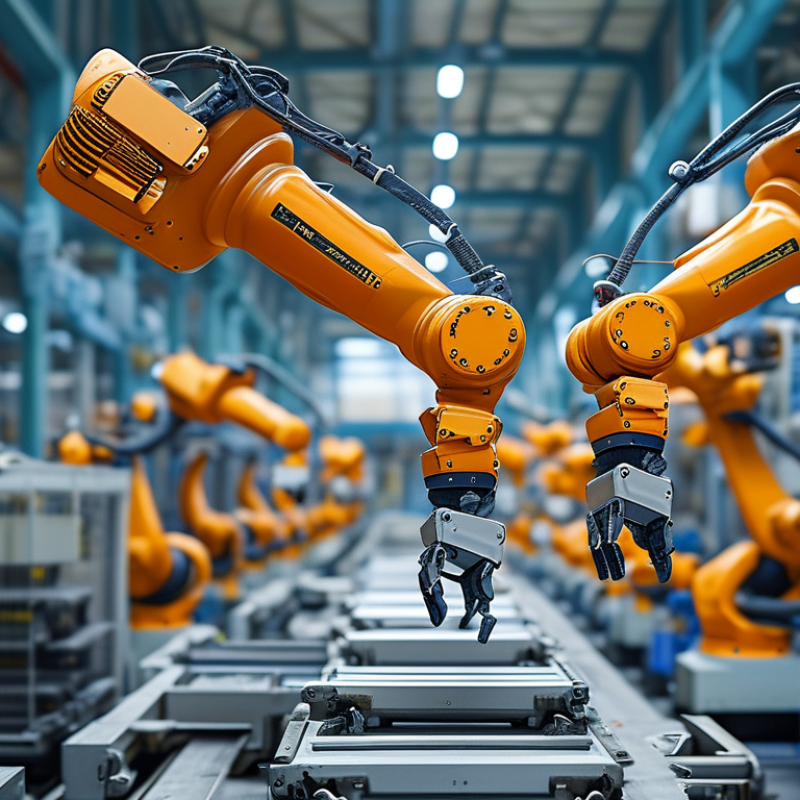
Industrial robots play a crucial role in modern manufacturing. Different types suit diverse applications. Some robots, like articulated arms, excel in tasks requiring flexibility. They are often used for assembly and welding, adapting easily to various positions.
Others, like SCARA robots, focus on high-speed operations. They are ideal for tasks like pick-and-place applications.
Collaborative robots, or cobots, have gained popularity. They work alongside humans safely. This makes them suitable for repetitive tasks that need a human touch, like quality inspection. These robots can enhance productivity while reducing strain on workers. However, their implementation requires careful planning to ensure safety.
Mobile robots are emerging as game-changers. They transport materials within a facility, improving efficiency. Many industries still hesitate to adopt mobile robots due to concerns about reliability. Ensuring seamless integration into existing systems can be challenging. Each type of robot brings unique advantages and challenges. Understanding these is essential for effective decision-making.
Evaluating Technical Specifications and Features
Choosing the right industrial robot involves understanding its technical specifications and features. Factors like payload capacity, reach, and precision are crucial. A robot's payload capacity determines the weight it can handle. For assembly tasks, a high payload may be necessary. However, overestimating this capacity can lead to cost inefficiencies. Evaluate if the tasks align with the robot's limits.
Precision is another key factor. Robots with high precision can reduce errors in tasks like welding and painting. This can yield better output quality. Nonetheless, high precision might not be required for every application. It is essential to weigh the value of precision against potential costs. Take note of your specific requirements to make informed decisions.
**Tips:** Always assess the robot's flexibility. A versatile robot can adapt to different tasks. Additionally, analyze the compatibility of the robot with your existing systems. Integration challenges can be costly. Finally, consider long-term maintenance and support to avoid unexpected downtimes. This reflective approach helps ensure that your choice aligns with your manufacturing goals.
Choosing the Right Industrial Robot: Technical Specifications Comparison
Considering Budget and Total Cost of Ownership
Choosing the right industrial robot goes beyond assessing specifications. Budget and total cost of ownership (TCO) are crucial factors. Initially, the purchase price may seem to dominate your decision. However, ongoing operational costs often escalate over time, affecting your financial performance.
Consider maintenance expenses. Robots require periodic servicing, parts replacement, and software updates. If a robot demands high maintenance, overall costs will rise significantly. This can lead organizations to overlook potentially more efficient models due to their initial costs. Evaluate energy consumption as well; inefficient robots can dramatically inflate utility bills.
Training costs also play a role. Investing in proper training ensures your staff operates the robots effectively. An untrained workforce can hinder productivity, causing delays and additional costs. Competitive companies often calculate the TCO over the robot’s lifespan. This perspective reveals the value of a more expensive model that could save money in the long haul. Balancing upfront expenses with future savings is key. Keep these considerations front and center when making your decision.
How to Choose the Right Industrial Robot for Your Manufacturing Needs? - Considering Budget and Total Cost of Ownership
| Robot Type |
Payload Capacity (kg) |
Reach (mm) |
Initial Cost ($) |
Annual Maintenance Cost ($) |
Estimated Lifespan (years) |
Total Cost of Ownership ($) |
| Articulated Robot |
50 |
1200 |
25,000 |
1,500 |
10 |
40,000 |
| SCARA Robot |
20 |
800 |
15,000 |
1,200 |
8 |
26,000 |
| Cartesian Robot |
15 |
1000 |
12,000 |
1,000 |
7 |
20,000 |
| Collaborative Robot |
5 |
600 |
10,000 |
800 |
5 |
15,000 |
Assessing Vendor Reputation and Support Services
When selecting an industrial robot, vendor reputation is crucial.
A well-regarded vendor often signifies reliability and quality. Look for companies with a strong track record in your specific industry.
Reviews and testimonials from other manufacturers can provide insights into their products and customer service.
Support services are equally important. Ensure the vendor offers comprehensive technical support. This includes training, quick response times, and maintenance services.
A responsive support team can significantly reduce downtime if issues arise. Additionally, consider their history of updates and improvements to their robots.
Don't overlook regional considerations. Some vendors may not offer the same level of support in all areas.
A local vendor might better understand your unique needs. Evaluate their response times in your region. Taking these factors into account can
make a significant difference in your overall satisfaction and productivity.