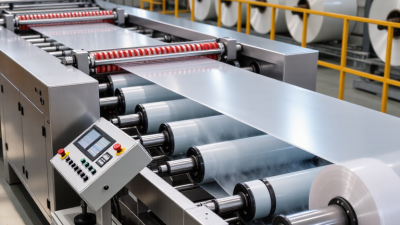
How to Choose a Plastic Sheet Extruder for Your Business?
Choosing a Plastic Sheet Extruder is a production decision, not just a machine purchase. The right line should match your materials, target sheet dimensions, output needs, and available floor space. A setup designed for thin packaging sheet may not suit thicker industrial panels. Small differences matter.
Start with the resin grades you actually plan to process. Then compare sheet width, thickness range, expected output, and how often specifications change. Ask suppliers for operating data under conditions close to yours, rather than relying on a headline capacity figure. That figure can be useful, but it does not tell the whole story. Die design, screw configuration, temperature control, cooling, and haul-off can all affect consistency and production speed.
This guide outlines the main factors to review before choosing equipment. It also considers automation, energy use, maintenance access, spare parts, technical support, and total ownership costs. A fast line may look attractive, yet frequent changeovers or difficult cleaning can reduce its value. Request sample runs when possible, and inspect sheet quality across the full width. Check how quickly the machine reaches stable production, too. Not every buyer can test every material or condition, so some decisions will still involve uncertainty. Be clear about that. A careful comparison helps you choose equipment that fits today’s requirements while leaving practical room for future changes.
Define Your Required Sheet Products and Production Goals
Before comparing extruders, define the sheet you need to make. Specify resin type, sheet width, thickness range, surface finish, and any color or recycled-content requirements. Are you producing packaging, construction panels, or sheets for later thermoforming? Each application places different demands on melt stability, cooling, and thickness control. Details matter. Record acceptable thickness variation, too; a broad target can hide costly rejects.
Set production goals using actual orders, not an optimistic headline capacity. Estimate saleable kilograms per hour, shifts per week, changeover frequency, and expected scrap. PlasticsEurope’s Plastics—The Fast Facts 2023 reported 400.3 million tonnes of global plastics production in 2022. That figure describes the whole plastics industry, not sheet demand, so it cannot size your line. Use your own product mix and customer forecasts instead. Not capacity alone.
Translate those requirements into a practical machine brief. Ask suppliers to confirm output at your intended resin, width, and thickness, rather than quoting a best-case maximum. Check whether the die, rollers, cooling section, and winding or cutting equipment fit your products. Request a trial using representative material, then measure thickness across the sheet and track scrap during startup. A spreadsheet may look precise, but real changeovers often take longer than expected. Plan for that.
Match Extruder Design to Plastic Materials and Sheet Properties
How to Choose a Plastic Sheet Extruder for Your Business?
Match the extruder to the resin and the sheet you need, not just its rated output. The OECD’s Global Plastics Outlook (2022) estimated that global plastic production reached 460 million tonnes in 2019, twice the 2000 level. That scale signals a broad market, but it does not identify the right screw or die.
Not the whole story.
For HDPE and PP, a general-purpose screw may suit stable, uniform feed, while recycled blends can need stronger melt mixing and finer filtration. PET absorbs moisture, so effective drying before extrusion helps reduce bubbles and brittle sheet. For clear or thermoforming sheet, check melt uniformity, die-lip adjustment, and cooling-roll control. These details affect thickness consistency and surface quality. A spec sheet can still mislead; resin grade and actual feedstock matter.
Tips: Ask suppliers to run your resin and target thickness on a trial line. Check edge trim, gauge variation, and sheet appearance. Run a trial. Record the results, even if they challenge your preferred setup.
Compare Output Capacity, Line Components, and Control Features
A plastic sheet extruder should match your saleable output, not just its advertised maximum. PlasticsEurope’s Plastics – the Fast Facts 2023 reports global plastics production of 400.3 million tonnes in 2022. That scale says little about your line, but it highlights why material choice and product demand matter. Ask for tested output in kilograms per hour using your resin, sheet width, and target thickness. A rating without those conditions is hard to compare.
Capacity is only part of the purchase. Check whether the die gives an even profile across the sheet, then inspect the cooling rolls, haul-off, and winder. These components affect thickness consistency, surface finish, and changeover time. OECD’s Global Plastics Outlook reports that only 9% of plastic waste was recycled in 2019. If recycled feedstock is part of your plan, ask how the line handles variation in melt flow and contamination. Small details matter.
Controls should show melt temperature, screw speed, pressure, and line speed clearly. Alarms and saved recipes can help operators repeat a job, especially after a material change. Ask to see a live trial with your intended resin and sheet specification; watch the thickness readings across the width. Watch the melt. I would still treat supplier demonstrations cautiously: one successful run does not prove stable output across a full shift. Check service access, spare-part availability, and the data recorded for each run before comparing quotations.
How to Choose a Plastic Sheet Extruder for Your Business?
Compare output capacity, line components, and control features.
Calculated gross output: At a fixed 1,000 mm sheet width and 1.0 mm thickness, the chart estimates throughput at three line speeds. It assumes polypropylene density of 900 kg/m³ and excludes edge trim and process losses. Use it as a capacity-planning comparison, not as a machine specification.
When comparing quotes, check that the extruder, screen changer, melt pump, die, and downstream cooling and haul-off equipment can support your target output. Review controls for temperature zoning, screw speed, line speed, and thickness monitoring, and confirm performance with your material and product requirements.
Check Supplier Expertise, Safety Standards, and Technical Support
How to Choose a Plastic Sheet Extruder for Your Business?
A capable supplier should understand your resin, target sheet thickness, and expected production rate. Ask how the screw design, die, and cooling rolls suit your materials. Request references from manufacturers running similar products, then ask what problems appeared during installation. Details matter. A polished brochure cannot show whether an operator can change a screen pack without disrupting a shift.
Check safety documentation for the specific machine configuration, not just a general certificate. Look for clearly positioned emergency stops, guarded moving parts, temperature controls, and accessible maintenance points. Ask who performs commissioning and operator training. Technical support should include realistic response times, remote troubleshooting, and availability of critical spares. Get these commitments in writing. Phone promises can be vague.
Tips: During a factory visit, watch a sheet run and inspect its edges, thickness consistency, and surface finish. Ask an operator to demonstrate a routine adjustment. No visit reveals everything, though; I would still allow time for trials with your own material. A supplier willing to discuss limitations may be more useful than one claiming every setup is easy.
Evaluate Total Ownership Costs and Verify Performance Before Purchase
A low purchase price can hide expensive operating realities. Compare each plastic sheet extruder over its expected service life, including installation, tooling, energy, labor, maintenance, spare parts, and downtime. The U.S. Department of Energy’s 2014 sourcebook estimates motor-driven systems use about 68% of U.S. manufacturing electricity. Extruder heating also matters, so request measured energy use per kilogram of acceptable sheet—not just motor ratings. That is significant. NIST Handbook 135’s life-cycle costing guidance likewise includes acquisition, energy, operating, maintenance, and replacement costs. One estimate will be wrong; test assumptions against your own production schedule.
Verify output before signing. Run a trial using your intended resin, sheet width, thickness, and operating speed. Record kilograms per hour, thickness variation, scrap rate, changeover time, and kWh per kilogram. Ask for results across a sustained run, not a brief demonstration. Inspect the sample at several points across its width; a smooth center can conceal uneven edges. Check how quickly operators can clear a jam and replace a screen pack. Request a written acceptance test defining tolerances, test materials, and remedies if targets are missed. A spreadsheet cannot predict every stoppage. Real trials can still miss seasonal variation, so keep a modest contingency in your cost model.