2026 How to Choose the Best Pneumatic Mixer for Your Needs?
Choosing the right Pneumatic Mixer can significantly impact your production process. Many industries rely on these tools for efficient mixing of liquids and powders. With a wide range of options available, selecting the best Pneumatic Mixer is vital for achieving optimal results.
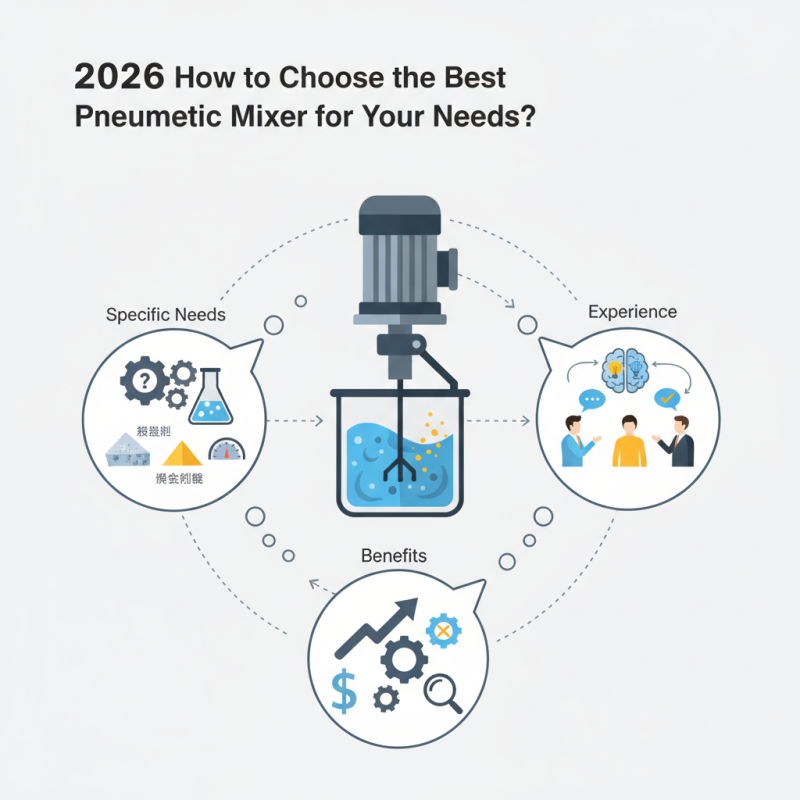
Consider your specific needs. Understand the materials you’ll mix and the desired consistency. A Pneumatic Mixer can vary in air pressure, speed, and tank size. Assess these factors carefully. You may find that not every mixer suits your operation. Sometimes, even reputable brands may fall short for unique requirements.
Experience plays a key role in this decision-making process. Seek advice from those who have used various mixers. Learn from their successes and mistakes. This knowledge can guide you toward a more informed choice. Ultimately, a well-chosen Pneumatic Mixer can enhance efficiency, reduce costs, and improve product quality in your operations.
Understanding the Basics of Pneumatic Mixers
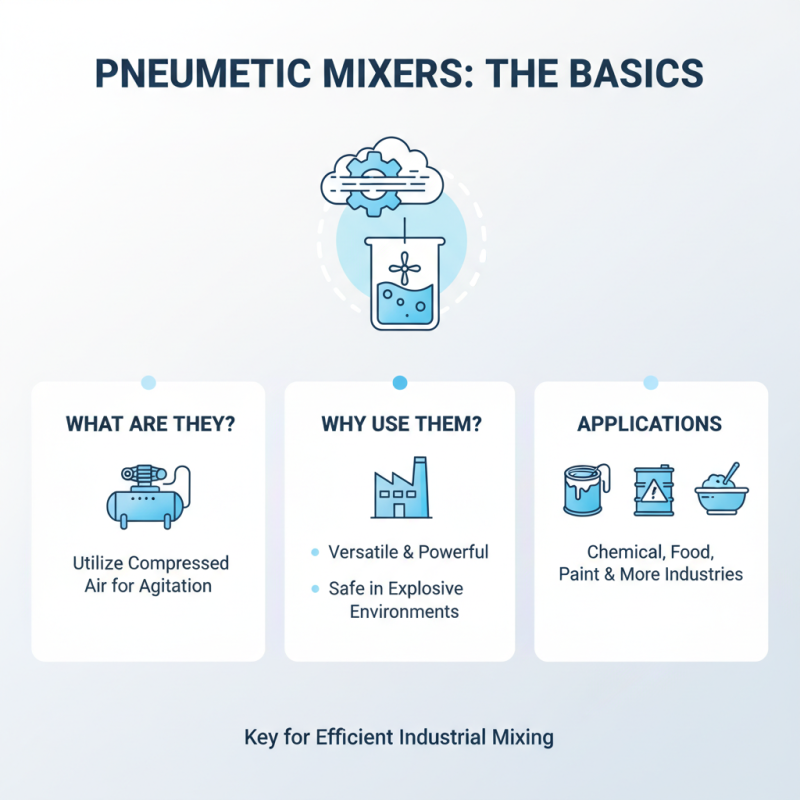
Pneumatic mixers are essential tools in various industries. They utilize compressed air to provide mixing action. Understanding their basics helps in choosing the right model for specific applications.
These mixers operate using a pneumatic motor, which uses air pressure to create movement. This allows for consistent mixing without relying on electricity. The airflow can be easily controlled, providing flexibility for different mixing tasks. For example, fine powders require gentle agitation, while thicker substances may need more power.
When selecting a pneumatic mixer, consider the material you intend to mix. Not all mixers can handle every substance. Additionally, look at the mixer’s capacity and speed settings. Adjusting these is vital for achieving optimal results. It's important to reflect on your mixing needs and match them with the mixer’s specifications.
Key Factors to Consider When Choosing a Pneumatic Mixer
When selecting a pneumatic mixer, understanding specific needs is crucial. Key factors include throughput, viscosity, and the type of materials being mixed. According to industry reports, the optimal mixing efficiency can be achieved with a mixer that matches your material characteristics. For instance, high-viscosity materials require mixers with robust mixing torque. A torque rating significantly affects the mixer’s performance. Experts recommend clarity on these specifications to avoid operational issues.
Design features also play a vital role. A pneumatic mixer should offer adjustable speed settings. This flexibility allows for better control during mixing operations. Not all mixers provide that flexibility. A study indicated that mixers with variable speed controls improved mixing time by up to 20%. Moreover, consider noise levels. Devices emitting less noise contribute to a safer and more comfortable work environment. Maintaining compliance with safety regulations also helps prevent workplace accidents.
Lastly, think about maintenance needs. Ease of maintenance can enhance equipment longevity. Equipment that is hard to service often leads to increased downtime. Some users report frustrations with complex designs that complicate maintenance tasks. A reliable mixer should balance performance and serviceability. Evaluating your specific operational requirements can lead to better long-term investments in pneumatic mixing technology.
Comparing Different Types of Pneumatic Mixers
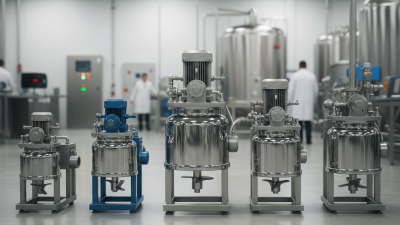
When choosing a pneumatic mixer, understanding the types available is crucial. Various designs cater to specific applications, with each offering unique advantages. Gear-driven mixers are popular due to their efficiency and power. They work well for heavy materials but may require more maintenance over time.
Air-powered mixers are versatile and have a wide range of applications. They operate with less noise and can be easier to control. However, they might lack the same torque as gear-driven mixers. Consider the size of the mixer, as larger units can handle more volume but may be cumbersome in smaller spaces.
It's vital to evaluate the intended use. Some mixers excel in blending liquids, while others are better suited for thick pastes or powders. Not every mixer will perform well in every scenario. Testing a few options can reveal unexpected results. Mixing efficacy can vary based on material properties and the mixer type. Ensure you consider these factors for optimal selection.
Assessing the Performance and Specifications of Mixers
When selecting a pneumatic mixer, performance and specifications are critical. Different applications require different capabilities. For instance, a report from the International Mixing Association highlights that optimal mixing speed can vary widely based on material viscosity and desired homogeneity. Pneumatic mixers often operate within a range of 100 to 1,000 rpm, offering versatile solutions.
One key consideration is the mixing capacity. A pneumatic mixer should accommodate your batch size comfortably. Underestimating this aspect may lead to prolonged mixing times or inconsistent results. According to industry standards, mixers should achieve a uniform blend in six minutes or less for most applications. If your mixer can't meet this threshold, it may be time to reconsider your choice.
Tip: Always identify your material characteristics before choosing a mixer. Understanding your materials can guide decision-making. For example, lighter materials may require lower speeds, while heavier substances benefit from higher speeds.
Pressure requirements also impact performance. Many mixers operate at 60 to 90 psi. Running outside this range may compromise efficiency or lead to mechanical failures. Investing in a mixer with the appropriate pressure specifications ensures longevity and effectiveness. Reflect on your operational needs thoroughly to avoid potential setbacks.
2026 How to Choose the Best Pneumatic Mixer for Your Needs? - Assessing the Performance and Specifications of Mixers
| Model |
Mixing Capacity (L) |
Air Consumption (L/min) |
Power (HP) |
Weight (kg) |
Price (USD) |
| Pneumatic Mixer A |
100 |
20 |
5 |
30 |
500 |
| Pneumatic Mixer B |
150 |
25 |
7.5 |
40 |
700 |
| Pneumatic Mixer C |
200 |
30 |
10 |
50 |
900 |
| Pneumatic Mixer D |
250 |
35 |
15 |
60 |
1200 |
| Pneumatic Mixer E |
300 |
40 |
20 |
70 |
1500 |
Maintenance Tips for Optimal Pneumatic Mixer Performance
Proper maintenance of your pneumatic mixer is crucial for optimal performance. Regular inspections can prevent unexpected failures. Checking for air leaks is important. Small leaks can lead to inefficiencies. Inspect hoses and connections frequently. A small crack can cause significant issues over time.
Lubrication is another key aspect. Ensure moving parts are adequately lubricated to reduce friction. This practice extends the life of the mixer. However, don’t over-lubricate, as it can attract dirt. Clean the mixer regularly to avoid build-up. Accumulated dust and residue can impede performance.
Monitor the mixer’s output regularly. If you notice inconsistencies, it might indicate a problem. Addressing these concerns promptly can save costs later. Document maintenance activities to keep track of any recurrent issues. This record can be helpful for troubleshooting. Being proactive can prevent minor issues from becoming major complications.
2026 Pneumatic Mixer Performance Analysis
This chart illustrates the average performance metrics of various pneumatic mixers based on their operational efficiency, maintenance frequency, and average lifespan. The data reflects hypothetical values for different models categorized by efficiency, maintenance needs, and durability.