Why Choose Blenders Over Mixers for Your Kitchen Needs?
When it comes to outfitting your kitchen with the right appliances, the choice between blenders and mixers can significantly impact your culinary experience. Both tools have their unique functionalities, yet many home cooks and professional chefs alike are increasingly leaning towards blenders for their versatility and convenience. Blenders mix ingredients with ease, making them an excellent choice for a variety of tasks, from crafting smoothies to pureeing soups. On the other hand, mixers, while essential for baking and whipping, can often be limited in their capabilities.
In this discussion, we will explore the reasons why blenders are often favored over mixers, particularly for those who value multifunctionality in their kitchen gadgets. The ability to handle a wide range of textures and recipes seamlessly differentiates blenders from mixers. Furthermore, as cooking trends shift towards health-conscious and quick meal preparations, blenders have emerged as indispensable allies, allowing users to create nutrient-rich drinks and sauces in a fraction of the time. By delving into these aspects, we aim to highlight how blenders can enhance your kitchen needs more effectively than mixers, making them a worthy investment for anyone looking to elevate their cooking game.
Understanding the Functional Differences Between Blenders and Mixers
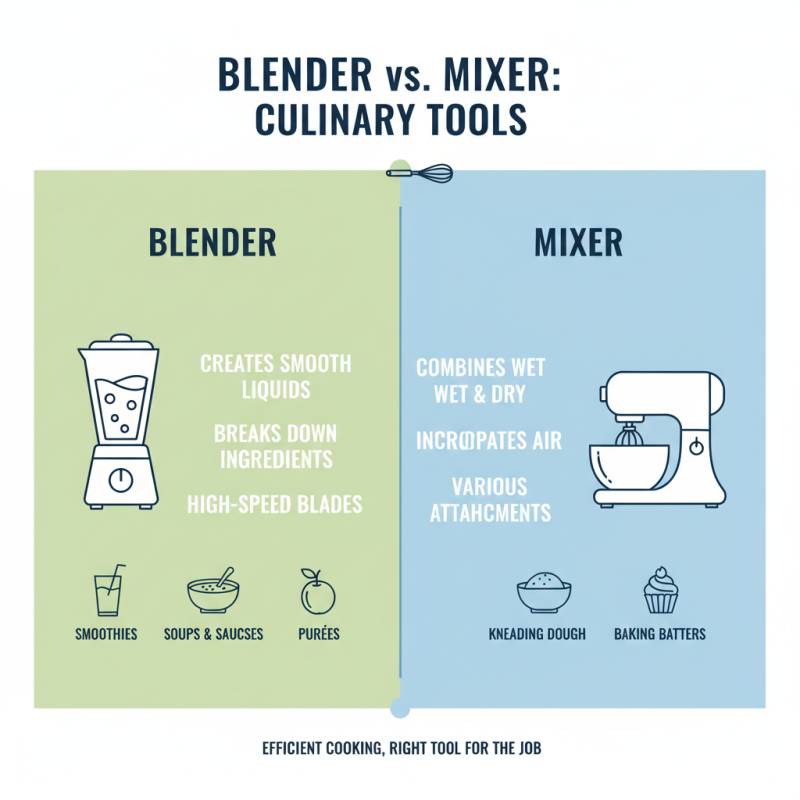
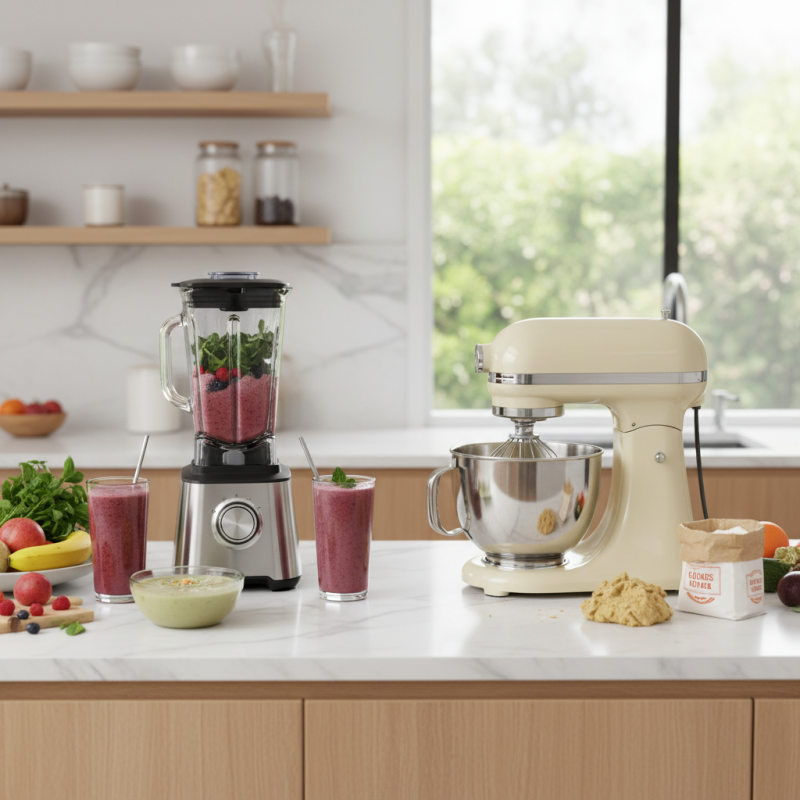
When it comes to choosing the right kitchen appliance, understanding the functional differences between blenders and mixers can significantly impact your culinary experiences. Blenders are designed for creating smooth liquids and purees. They excel in tasks like making smoothies, soups, and sauces, as their high-speed blades efficiently break down ingredients. In contrast, mixers are primarily used for combining dry and wet ingredients, ideal for baking tasks such as whipping cream, beating eggs, or kneading dough. While both appliances serve distinct purposes, knowing when to use each can enhance your cooking efficiency.
Tips: When using a blender, cut fruits and vegetables into smaller pieces to ensure a smoother blend. For mixers, always start at a low speed to avoid splattering ingredients everywhere. If you're tackling a thicker dough, consider using a stand mixer, which provides the necessary power for kneading without strain.
Understanding the specific functionalities can help you make informed decisions based on your cooking needs. If you're focused on beverages or soups, a blender is your best bet, while mixers shine in baking and batter preparation. Knowing how to utilize these appliances effectively will make your time in the kitchen more rewarding and enjoyable.
Advantages of Using Blenders for Smoothies and Soups
When it comes to creating delicious smoothies and soups, blenders offer distinct advantages over traditional mixers. One of the primary benefits is their ability to efficiently combine ingredients into a smooth, creamy texture. This is particularly important for smoothies, where you want every fruit and vegetable to be perfectly blended. A blender's powerful motor and sharp blades ensure that even the toughest fibrous greens are pulverized, resulting in a drink that is both nutritious and pleasing to the palate.
Tips for making the perfect smoothie include layering your ingredients properly. Start with softer items like yogurt or liquids, followed by leafy greens and then solid fruits or vegetables. This layering technique helps ensure that the blender can easily process everything without getting stuck. For soups, blending hot ingredients can yield a silky consistency—just remember to allow steam to escape by venting the lid or using a towel to cover it, which prevents any messy eruptions.
Another advantage of using a blender for soups is the versatility it offers. You can create everything from chunky vegetable soups to creamy purees in one appliance. Experimenting with different herbs and spices can elevate the flavors, giving you endless possibilities to enjoy in your kitchen. When blending soup, start at a low speed to gradually incorporate the ingredients, then increase speed to achieve your desired consistency. This will help you avoid splatters and achieve a well-blended dish.
Why Choose Blenders Over Mixers for Your Kitchen Needs?
| Feature |
Blender |
Mixer |
| Versatility |
High, can make smoothies, soups, sauces, and crushed ice |
Moderate, mainly used for baking tasks |
| Texture of Mixture |
Creates a smooth consistency |
Leaves a more chunky texture |
| Ease of Use |
Generally user-friendly with preset functions |
Requires more manual adjustment |
| Speed Settings |
Often has multiple speed settings for various tasks |
Typically fewer speed options |
| Cleaning |
Usually easier to clean with self-cleaning options |
Requires more effort to clean |
| Price Range |
Varies, generally more affordable options available |
Can be more expensive for professional models |
Exploring Mixer Capabilities for Baking and Dough
When it comes to baking and preparing dough, mixers have long been regarded as essential kitchen tools. They excel at tasks that require a gentle mixing action, which is particularly beneficial for ingredients that need to maintain their structure while being combined. For instance, when making delicate cake batters, a mixer allows for the incorporation of air, ensuring a light and fluffy texture. Additionally, when preparing dough for bread or pastries, mixers with dough hooks can efficiently knead the mixture, developing gluten without the enforcement of too much physical strain, which is essential for the perfect rise.
Tips: When using a mixer for baking, start at a low speed to prevent flour from spilling out. Gradually increase the speed as the ingredients blend. This technique helps ensure a smooth mixture while saving time on cleanup.
Mixers also have the capability to handle heavier mixtures, such as those needed for bread dough, where the use of a regular blender would be cumbersome. The strength of a mixer shines through in this area, as it can effortlessly manage thicker textures. This not only saves time but also reduces the risk of overworking the dough, which can lead to tougher results.
Tips: Always check your dough for the right consistency by performing the "windowpane test." If the dough stretches thin without tearing, it's ready for the next step in your baking process, ensuring optimal texture in your final product.
Comparative Analysis of Energy Efficiency in Blenders and Mixers
When choosing between blenders and mixers for kitchen needs, energy efficiency is a crucial factor that often goes overlooked. Blenders typically operate at higher speeds and can perform a variety of tasks like pureeing, crushing ice, and emulsifying. This versatility often means that blenders can accomplish these tasks quicker and with less energy compared to mixers, particularly in the case of smoothies or soups that require thorough blending in a short amount of time. The high-speed operation of blenders can lead to reduced energy consumption over repetitive uses, especially for quick, high-intensity tasks.
On the other hand, mixers are designed for mixing doughs and batters, tasks that require a different form of energy use. Mixers generally operate at lower speeds for extended periods, which can increase overall energy consumption, especially if used for larger batches. Additionally, some mixers come with multiple attachments that demand more energy depending on the specific task. Analyzing the energy efficiency of blenders versus mixers reveals that blenders can often be the more economical choice for a wider range of culinary tasks, as they maximize performance while minimizing energy expenditure.
Versatility: How Blenders Can Adapt to Various Kitchen Tasks
Blenders are often perceived as single-purpose appliances, yet their versatility makes them a must-have tool in any modern kitchen. Not only are they capable of blending smoothies and soups, but they can also handle a variety of tasks that many mixers might struggle with. For instance, blenders can easily puree vegetables for soups, emulsify dressings, and even crush ice for cocktails. This adaptability allows home cooks to experiment with different textures and flavors, making meal preparation more creative and efficient.
Moreover, the use of a blender simplifies cooking processes that could otherwise require multiple gadgets. In a busy kitchen, the ability to switch from chopping ingredients to whipping up a creamy sauce without needing to reconfigure devices saves both time and effort.
Additionally, many blenders come equipped with various settings and attachments that enhance their functionality, enabling users to create everything from nut butters to salsas with minimal hassle. This range of options not only broadens the scope of what can be achieved in the kitchen but also promotes a healthier lifestyle by encouraging the preparation of fresh, homemade meals.