How to Choose the Best Seal Machine for Your Business Needs?
In today's competitive market, selecting the right seal machine is crucial for business success. Expert Tom Hargrove, a leading authority in sealing technologies, emphasizes, "Choosing the right seal machine can make or break your efficiency and product quality." This highlights the importance of making an informed decision.
With various types of seal machines available, businesses must assess their specific needs. Factors such as production volume, type of packaging, and seal integrity matter greatly. Inadequate choices can lead to operational inefficiencies. For example, a machine that cannot handle high volumes may slow down the production line.
Furthermore, not all machines offer the same level of reliability. It’s vital to understand warranty options and customer service support before investing. Many businesses underestimate these factors, only to face challenges later. Taking the time to evaluate these details can lead to significant long-term benefits and smoother operations.
Understanding Different Types of Seal Machines and Their Functions
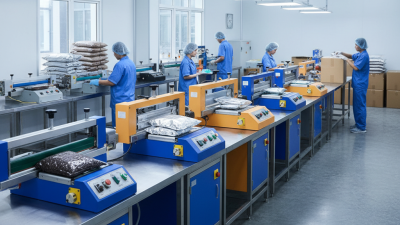
When selecting a seal machine, understanding the types and functions is crucial. There are various categories of seal machines, each designed for specific applications. For instance, heat sealers utilize heat to bond materials together, making them ideal for plastic and flexible packaging. Studies show that heat sealing technology accounts for approximately 50% of the sealing market, underscoring its popularity in industries like food and pharmaceuticals.
Another category is vacuum sealers, which remove air from bags before sealing. This method is essential in prolonging shelf life for perishable items. According to market research, vacuum sealers have seen a 20% annual growth rate due to increasing demand for food preservation. However, users should consider the cost of replacement bags and the machine’s maintenance requirements.
Impulse sealers are also prevalent, particularly in light-duty applications. They use electrical impulses to create seals instantly, which is efficient and straightforward. Yet, while impulse sealers are affordable, they may not withstand heavy use in demanding environments. Each type has its strengths and weaknesses, and businesses must carefully assess their unique needs to make the best choice.
Types of Seal Machines and Their Functions
Key Features to Look for in a Seal Machine Based on Industry Standards
When selecting a seal machine for your business, consider key features aligned with industry standards. Durability is paramount. A robust machine withstands heavy use. Look for materials resistant to wear and tear. The seal quality matters too. Strong seals prevent leaks and preserve product freshness. Evaluate the technology used in the machine. Advanced sealing technology improves reliability and efficiency.
Tips: Assess the machine's capability to handle various material types. Versatility can be a game changer. A machine that seals plastic, aluminum, and paper offers flexibility.
Speed is crucial in any production environment. A faster machine increases output and reduces bottlenecks. However, don’t automatically choose the fastest option. Sometimes, slower machines provide better quality. Test different speeds to find the ideal balance for your products.
Additionally, consider maintenance requirements. A machine may boast impressive features but can fall short if it’s hard to maintain. Regular upkeep ensures longevity and reliability. Evaluate user reviews and industry feedback for insights into long-term performance. Prioritizing these features helps you make an informed choice for your business needs.
Evaluating Production Volume Requirements for Seal Machine Selection
When selecting a seal machine for your business, evaluate your production volume requirements thoroughly. The right machine must match your production goals. Consider how many units you package daily. A low-volume business may require a simpler, manual model. High-volume operations need fully automated, high-speed machines.
Tips: Assess your current and future needs. Will your production increase? Do you expect seasonal fluctuations? Choose a machine that offers flexibility. Sometimes, machines can become bottlenecks if they aren’t adequately suited for your needs.
Think about the space available in your facility. A large machine in a small space can hinder workflow. Additionally, explore maintenance needs. Frequent downtime for repairs can impact your output. Ensure the machine aligns with your production process. A misfit can lead to inefficiencies.
Cost vs. Quality: Analyzing Investment Options for Seal Machines
When selecting a seal machine for your business, cost and quality are crucial factors. A recent industry report shows that companies often spend around 15-25% of their total packaging budget on sealing solutions. This percentage can vary based on production volume and product type. Investing more upfront can lead to longer-term savings, as high-quality machines often reduce maintenance costs and downtime.
Consider the trade-offs between initial investment and durability. A basic seal machine might seem economical at first glance, costing around $1,500. However, it may last only a few years. Conversely, a robust machine priced at $4,000 could last over a decade with consistent performance. Research indicates that 75% of businesses regret under-investing in equipment, which compromises efficiency and affects output quality.
It's important to evaluate your specific needs. Some businesses may require machines tailored for diverse packaging types. Customization can increase costs, but it often enhances operational efficiency. Additionally, investing in training for staff can maximize the performance of the chosen seal machine. The effectiveness of your investment hinges on more than just the machine itself. Evaluate all aspects for a successful long-term outcome.
Maintenance and Support Considerations When Choosing a Seal Machine
Choosing a seal machine involves many aspects, especially maintenance and support. Regular maintenance is essential for any seal machine's longevity. Neglecting this can lead to equipment failure and costly repairs. It's crucial to ensure the machine is easy to service and parts are readily available. Keep in mind that some models may require specialized training for maintenance, which can complicate matters.
Support after purchase is another key consideration. Ensure that the supplier offers robust customer service. This includes access to technical support and troubleshooting assistance. Quick response times are critical in minimizing downtime. Some suppliers may promise support but fail in execution, leading to frustration.
Consider asking for testimonials from other businesses that have used the machine. This can shed light on the real-world reliability of both the product and the support offered. A seal machine can be a significant investment, so taking the time to examine these factors thoroughly can help prevent potential pitfalls down the line.
How to Choose the Best Seal Machine for Your Business Needs? - Maintenance and Support Considerations When Choosing a Seal Machine
| Feature |
Importance Level |
Maintenance Frequency |
Support Availability |
| Heating Method |
High |
Monthly |
24/7 Online Support |
| Seal Quality |
Critical |
Weekly |
In-house Technician |
| Speed of Sealing |
Medium |
Quarterly |
Email Support |
| User-Friendliness |
High |
Annual |
Phone Support |
| Energy Efficiency |
Medium |
Monthly |
Online Knowledge Base |