How to Choose the Best Dust Collectors for Your Workshop or Garage
In the realm of woodworking and metalworking, the importance of effective dust management cannot be overstated. Choosing the best dust collectors for your workshop or garage is a crucial decision that directly affects both the quality of your work and your health. Renowned dust collection industry expert, John Smith, emphasizes, “Investing in a good dust collector is not just about cleaner air; it's about protecting your craft and your well-being.” With dust particles posing serious respiratory risks and potentially damaging machinery, understanding the various types of dust collectors and their features becomes essential for any craftsman.
Selecting the right dust collector can seem daunting with the myriad of options available, from portable models to large stationary units. It's vital to assess your specific workshop needs, including the types of materials you work with, the size of your shop, and the volume of dust generated. This guide aims to equip you with the knowledge necessary to navigate through these choices, ensuring you acquire a dust collection system that meets your demands perfectly.
In the end, investing time and effort into understanding dust collectors will pay off not just in terms of a cleaner workspace, but also in the preservation of your health and the enhancement of your craftsmanship. A well-chosen dust collector is an indispensable ally in the quest for a more productive and safer workshop environment.
Understanding the Importance of Dust Collection in Workshops and Garages
Dust collection is an essential aspect of maintaining a safe and efficient workshop or garage environment. According to a report from the Occupational Safety and Health Administration (OSHA), exposure to wood dust can lead to respiratory problems and even certain types of cancers. In fact, studies have shown that woodworkers are at a 62% higher risk for developing respiratory issues than those not exposed to such fine particles. Therefore, investing in a proper dust collection system is not just a matter of comfort but a critical health consideration for anyone working in these spaces.
Moreover, efficient dust collection contributes significantly to overall workspace cleanliness and equipment longevity. A clean workshop minimizes the risk of accidents caused by slips and falls related to excessive dust or clutter. The American National Standards Institute (ANSI) recommends maintaining dust levels below 5 milligrams per cubic meter of air to enhance air quality and worker safety. Additionally, a reliable dust collector can help preserve the performance of tools by preventing the buildup of dust and debris, which can cause equipment to malfunction over time. Therefore, understanding the importance of dust collection is vital for fostering a productive, safe, and healthy working environment in any workshop or garage.
Types of Dust Collectors: A Comprehensive Overview
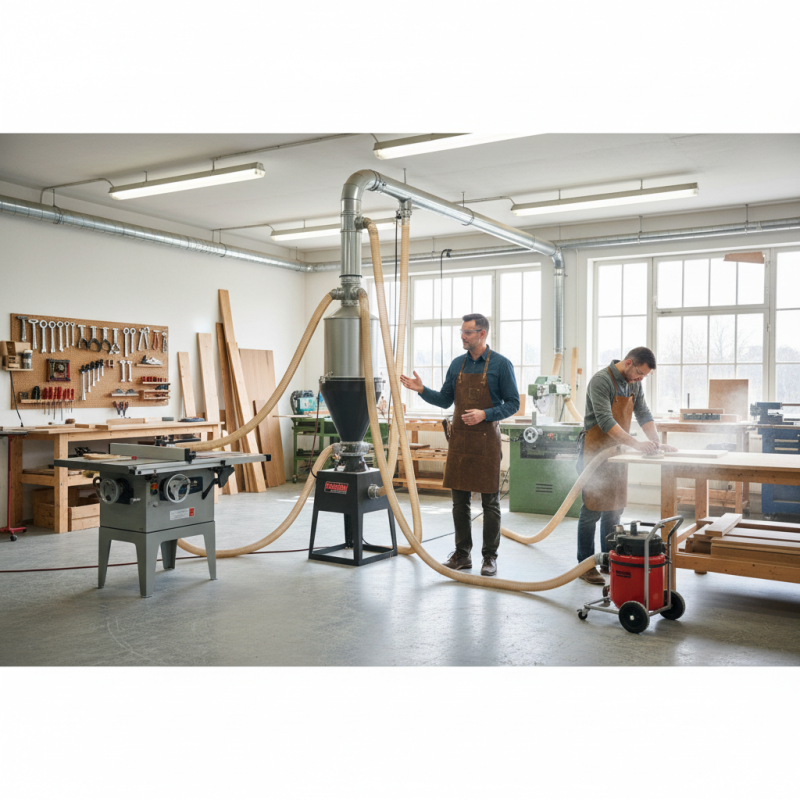
When choosing the best dust collectors for your workshop or garage, it's essential to understand the various types available in the market. Dust collectors generally fall into three main categories: baghouse collectors, cyclonic collectors, and portable dust collectors. Baghouse collectors are ideal for large industrial setups, using fabric filter bags to capture and contain dust particles effectively. According to the Institute of Inspection, Cleaning and Restoration Certification (IICRC), these systems can achieve dust collection efficiencies greater than 99%. Cyclonic collectors, on the other hand, utilize centrifugal force to separate larger dust particles from the airflow, making them more suitable for medium-sized workshops. Their efficiency can significantly reduce the wear on the primary filter and enhance the lifespan of the dust collection system.
Tips: When deciding between cyclonic and baghouse systems, consider your workspace size and the volume of dust generated. For smaller projects, a portable dust collector might be enough. These collectors are lightweight, easy to move, and perfect for hobbyists with limited space. They can be paired with various power tools to effectively capture dust and debris right at the source.
Another critical aspect to consider is the airflow capacity, often measured in cubic feet per minute (CFM). A higher CFM rating indicates a stronger suction ability, which is crucial for larger dust-generating machines. Studies by the American Society of Mechanical Engineers (ASME) indicate that a dust collector should ideally have a minimum airflow of 350 CFM for effective dust removal in a small workshop setup. This ensures that the air remains clean and free from harmful particles, providing a safer working environment.
Key Features to Consider When Selecting a Dust Collector
When selecting a dust collector for your workshop or garage, several key features should be at the forefront of your decision-making process. First and foremost, consider the type of filtration system employed.
High-efficiency particulate air (HEPA) filters are ideal for capturing fine dust particles, ensuring cleaner air and a healthier work environment.
Additionally, look for dust collectors with multi-stage filtration systems that can handle different types of debris and help prolong the lifespan of the filters.
Another important feature is the airflow capacity, measured in cubic feet per minute (CFM).
A higher CFM rating indicates greater suction power, which is essential for capturing dust from various tools and machines efficiently. Furthermore, consider the collector's portability and ease of use; some models come with wheels for mobility or are compact enough to fit in smaller spaces.
Lastly, the noise level of the dust collector is also a crucial factor; quieter models ensure a more pleasant working atmosphere, allowing you to focus on your projects without excessive distractions.
Evaluating Dust Collector Performance and Efficiency Ratings
When selecting a dust collector for your workshop or garage, evaluating performance and efficiency ratings is crucial to ensure a clean and safe working environment. Performance typically refers to the dust collector's ability to capture airborne particles of various sizes, often measured in microns. The lower the micron rating, the finer the dust particles the collector can trap. For instance, a unit that can filter down to 1 micron is preferable for woodworking, as it effectively captures the fine sawdust that can accumulate and pose health hazards when inhaled.
Efficiency ratings are also vital, as they indicate how well a dust collector can move air across the system. This is commonly represented in terms of cubic feet per minute (CFM), which measures the volume of air the collector can handle. A higher CFM indicates greater airflow, which means more effective dust removal from your workspace. It's important to match the CFM rating with the size of your tools and the layout of your shop; otherwise, even a high-performance dust collector may fall short in maintaining optimal air quality. By carefully evaluating both performance and efficiency, you can make an informed decision that enhances the overall effectiveness of your workshop’s dust collection system.
Dust Collector Performance Ratings Comparison
This chart compares the performance ratings of various dust collectors based on efficiency metrics. Each collector is rated out of 10 based on its suction power, filtration efficiency, and noise level. This helps in selecting the best dust collector for your workshop or garage needs.
Maintenance Tips for Optimal Dust Collector Operation
To ensure your dust collector operates at peak efficiency, regular maintenance is key. Start by routinely checking and cleaning the filters, as clogged filters can significantly reduce suction power and overall performance. Depending on the type of filter your dust collector uses, you may need to clean or replace them every few weeks or months. Use a gentle brush or compressed air to remove dust build-up without damaging the filter material. Additionally, inspect the dust collection bags for any tears or blockages, as these can lead to leaks and contamination of the workshop environment.
Another critical aspect of maintenance involves checking the hoses and connections for any signs of wear or damage. Ensure that all connections are secure to prevent air leaks that can compromise suction efficiency. Periodically, inspect the motor and electrical components to ensure they operate smoothly. Lubricate moving parts if necessary, and keep an eye on the noise levels; unusual sounds can indicate underlying issues that may require immediate attention. By staying proactive with maintenance, you can enhance the lifespan of your dust collector and maintain a safer and cleaner working space.
How to Choose the Best Dust Collectors for Your Workshop or Garage - Maintenance Tips for Optimal Dust Collector Operation
| Dust Collector Type |
Airflow (CFM) |
Dust Bag Capacity (Gallons) |
Noise Level (dB) |
Maintenance Frequency |
| Portable Dust Collector |
300 |
5 |
85 |
Monthly |
| Wall-Mounted Collector |
400 |
10 |
78 |
Quarterly |
| Cyclone Dust Collector |
1200 |
30 |
85 |
Annually |
| Central Dust Collection System |
1500 |
50 |
90 |
Semi-Annually |