What is a Bucket Elevator Belt and How Does It Work?
In the world of material handling, the "Bucket Elevator Belt" plays a crucial role. Expert John Smith, a leading engineer in the industry, states, "The efficiency of a bucket elevator relies heavily on the quality of its belt." This highlights its importance in various applications, from agriculture to manufacturing.
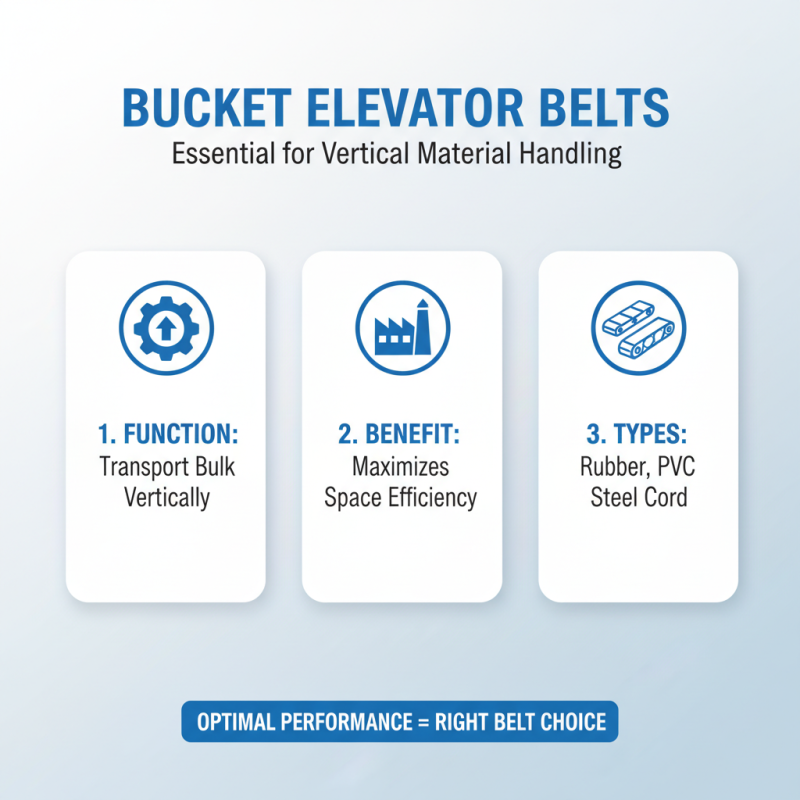
Bucket elevators are designed to transport bulk materials vertically. They use a series of buckets attached to a belt. This system ensures efficient movement, reducing the risk of spillage or damage. However, selecting the right belt is vital. It affects both performance and longevity.
Despite the innovations in belt design, there are challenges to consider. Wear and tear can occur, leading to unexpected downtimes. Regular maintenance is essential to avoid costly repairs. Many companies underestimate this aspect, which can affect overall productivity. Understanding the dynamics of a Bucket Elevator Belt is key to optimizing any material handling process.
What is a Bucket Elevator Belt? Definition and Key Features
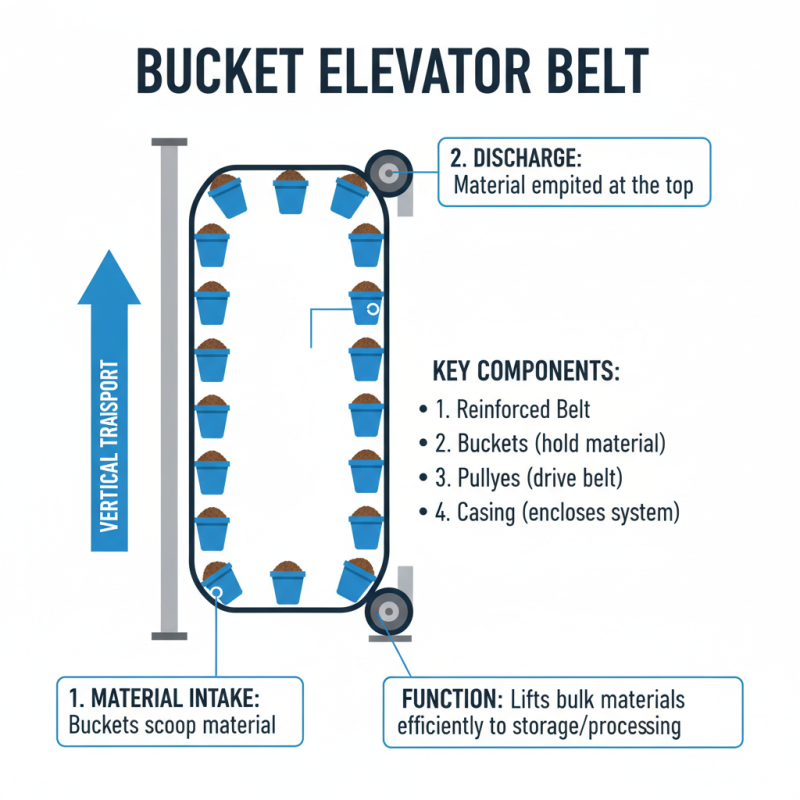
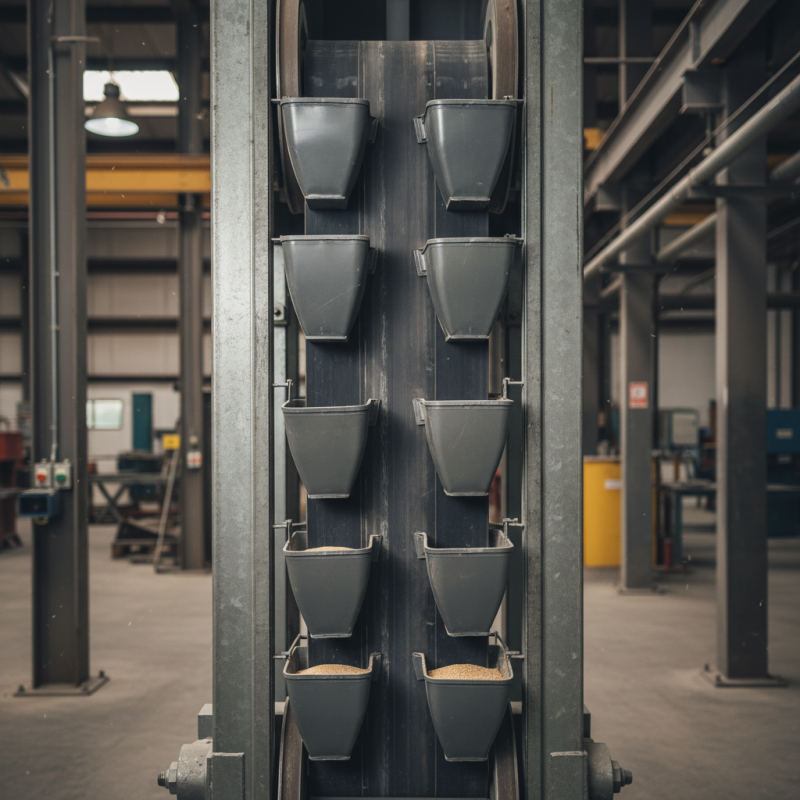
A bucket elevator belt is a critical component in bulk material handling. It acts as a conveyor, lifting materials vertically to storage or processing areas. The belt features small buckets that hold the material. As the belt moves, these buckets transport the material upward, allowing for efficient and effective movement.
Key features of a bucket elevator belt include its material and design. Typically made from rubber or plastic, the belts are flexible yet durable. The width and spacing of the buckets can vary, depending on the application. Issues may arise if the belt stretches or wears unevenly. Regular inspections are crucial to address these potential problems.
Understanding the bucket elevator belt's function is vital for optimal performance. It is essential to consider the operating environment as well. For example, extreme temperatures can affect the belt's longevity. Incorporating maintenance practices can enhance its lifespan. Reflection on performance helps identify areas for improvement.
How Bucket Elevator Belts Function: Mechanisms and Principles
Bucket elevator belts are crucial components in material handling systems. They transport bulk materials vertically, utilizing a series of buckets attached to a belt. The mechanism operates by looping the belt around pulleys, allowing the buckets to fill at the bottom and discharge at the top. According to industry statistics, bucket elevators can achieve a capacity of up to 1,500 tons per hour, making them essential in sectors like agriculture, mining, and food processing.
Understanding how these belts work is vital for optimizing performance. Each component plays a significant role in efficiency. The belt material must withstand wear and tear while ensuring flexibility. Commonly, rubber or steel belts are used, depending on the type of material being handled. A report by the Bulk Handling Systems Association highlights that proper maintenance of these belts increases longevity and reduces operational costs.
**Tip:** Regularly inspect the belt for signs of wear. Small cracks or fraying can lead to larger problems.
Additionally, the design of the buckets is critical. They should be shaped to facilitate easy loading and unloading. Some designs may not work well with certain materials, leading to spills or blockages. Understanding your specific needs is important.
**Tip:** Test different bucket shapes for optimal performance. Finding the right fit can drastically improve overall efficiency.
What is a Bucket Elevator Belt and How Does It Work?
| Feature |
Description |
Function |
| Material |
Polyester, Nylon, Rubber |
Provide strength and flexibility |
| Belt Type |
Flat or Bucket |
Convey materials vertically |
| Capacity |
Up to 2000 tons/hour |
Transport bulk materials efficiently |
| Drive System |
Electric motor with gearbox |
Provide motion to the belt |
| Application |
Agriculture, Mining, Construction |
Used for transporting various materials |
| Maintenance |
Regular inspections and adjustments |
Ensure optimal performance |
Industry Applications: Where Bucket Elevator Belts are Used
Bucket elevator belts play a vital role in various industries. They are primarily used for vertical transportation of bulk materials. These belts lift products ranging from grains to minerals efficiently. Many sectors depend on them to maintain productivity.
In agriculture, bucket elevator belts move grain and feed. They help in loading and unloading processes. Efficient handling of these materials is crucial for farmers. Any delay can lead to spoilage or loss, necessitating a reliable system.
The mining industry also relies heavily on bucket elevators. They transport ores and minerals from deep underground to surface facilities. This minimizes wear on other machinery. However, operators must monitor the belt condition regularly. Wear and tear can lead to downtime.
Tip: Regular checks can extend the life of your bucket elevator belt. This includes looking for wear patterns and ensuring proper alignment.
Bucket elevators are pivotal in manufacturing as well. They move products from one production stage to another. This connectivity helps maintain workflow, aiding efficiency. A poorly maintained lift can slow down production lines.
Tip: Keep an eye on the loading capacity. Overloading can cause significant damage, impacting operations.
Industries must evaluate their specific needs. Not every bucket elevator belt is suited for every application. Finding the right fit can prevent mishaps and enhance productivity.
Maintenance and Troubleshooting of Bucket Elevator Belts: Best Practices
Bucket elevator belts are crucial for various industries. Proper maintenance is key to ensure their longevity and efficiency. Regular inspections should be conducted. Look for signs of wear and tear, such as fraying or cracking. These issues can lead to failures if not addressed.
Cleaning the belts is essential. Dust and debris can accumulate, affecting performance. Use appropriate cleaning agents, but avoid harsh chemicals that could damage the material. Keep the pulleys and buckets clean too. This ensures smooth operation.
Troubleshooting common problems is equally important. Misalignment can cause excessive wear. Adjusting the belt properly can mitigate this risk. If the belt slips, check for tension. It may need tightening or replacing. Regularly monitoring these factors can prevent costly downtime and improve overall function. Consider keeping a maintenance log for reference. This can highlight recurring issues and help in planning future inspections.
Bucket Elevator Belt Maintenance and Troubleshooting