Top Blow Film Extrusion Machine Features Buyers Should Know?
In the evolving landscape of plastics manufacturing, understanding the essential features of a Blow Film Extrusion Machine is crucial. Recent data from the Plastic Industry Association indicates that the demand for these machines is projected to grow by 4% annually through 2025. This growth underscores the importance of selecting the right equipment for efficiency and productivity.
Industry expert Dr. Emily Chen points out, “The efficiency of a Blow Film Extrusion Machine can significantly impact production costs and product quality.” Her insights highlight that manufacturers must prioritize advanced features when making purchasing decisions. Common features such as the die design, cooling technology, and control systems can affect output and operational stability.
As the competition intensifies, manufacturers need to reflect on their current equipment choices. Investing in technology that enhances versatility and energy efficiency is vital. However, not all machines are created equal. Conducting thorough research and seeking expert guidance can help buyers make informed decisions.
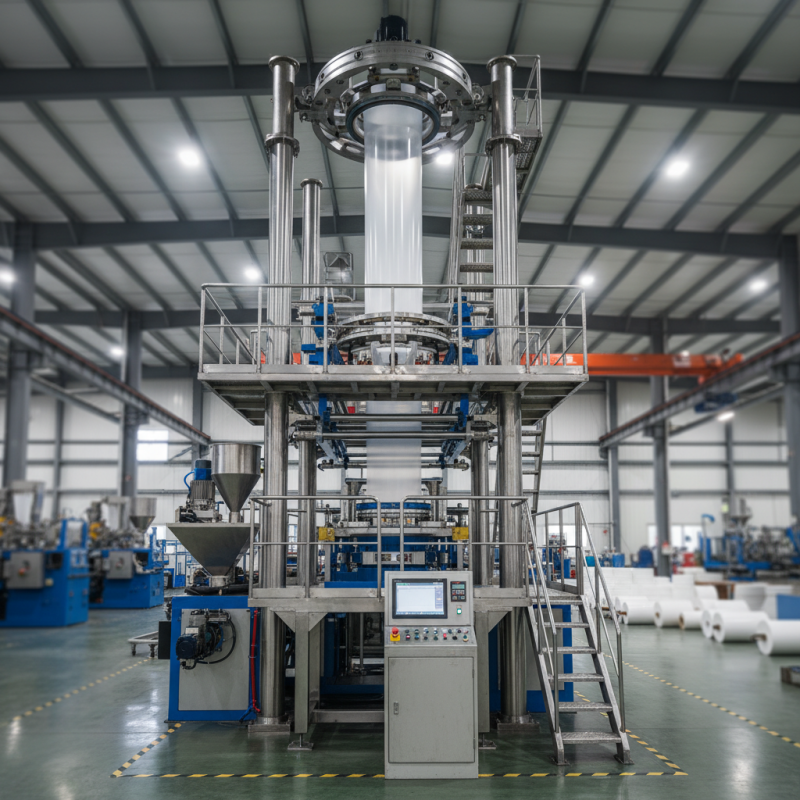
Key Components of Blow Film Extrusion Machines
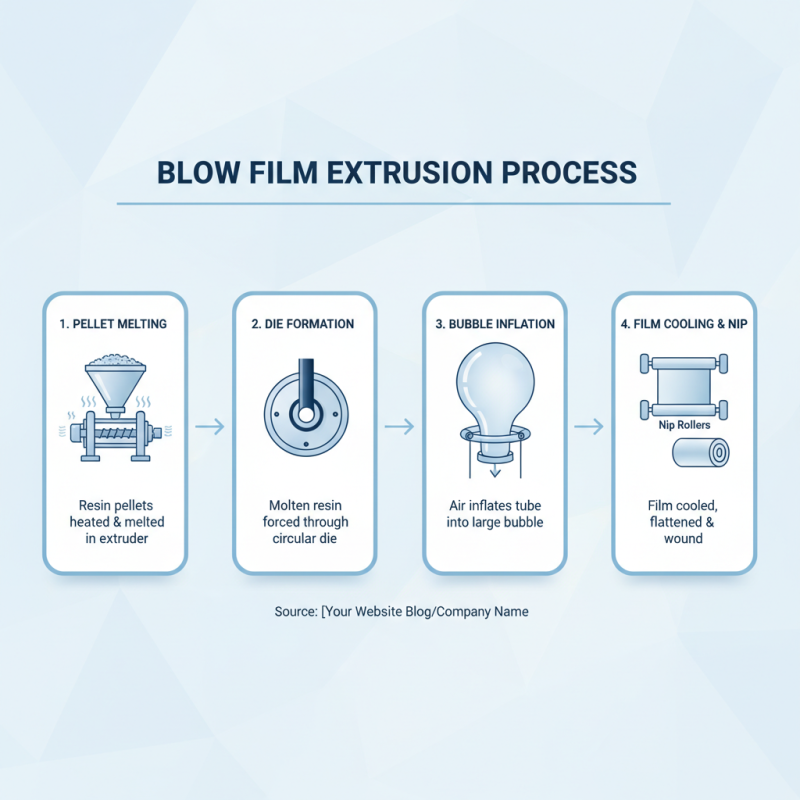
Blow film extrusion machines are crucial in the packaging industry. Understanding their key components can enhance efficiency and product quality. The primary parts include the extruder, die, cooling system, and winding unit. Each component plays a significant role in film production, affecting the final product's properties.
The extruder is the heart of the machine. It melts and mixes plastic pellets, ensuring a consistent blend. A report by Smithers Pira indicates that the extrusion process influences 70% of the film's characteristics. Variations in temperature and pressure can lead to defects.
The cooling system follows immediately. It shapes the molten film and maintains thickness. An inconsistent cooling process may result in uneven film quality.
Winding units carefully roll the finished film into manageable layers. Improper winding can cause wrinkles and defects. Data shows that up to 15% of production waste stems from poor winding techniques. Each part must function correctly to minimize flaws. Understanding these features can guide buyers to make informed decisions, ensuring high-quality output in a competitive market.
Essential Features to Consider When Buying a Blow Film Machine
When considering a blow film machine, pay attention to several essential features. The machine's production capacity is crucial. A higher output can significantly impact your operational efficiency. Look for options that meet your projected volume needs. Materials used in construction also matter. Durable materials ensure longevity. Investigate whether the machine can handle various film types.
Control systems are another key feature. Advanced technology can improve precision during the extrusion process. Automated controls can reduce labor costs. Simplicity in design can facilitate easier maintenance and operation. Consider whether the machine has user-friendly interfaces.
Energy efficiency is a factor that shouldn't be overlooked. Machines that consume less energy can lower operational costs. However, higher energy efficiency might require a more significant initial investment. Reflect on how your choice aligns with sustainable practices. This aspect is gaining importance in the industry, and buyers should remain aware of it.
Top Blow Film Extrusion Machine Features Buyers Should Know
The Role of Automation in Modern Blow Film Extrusion Technology
Automation plays a pivotal role in modern blow film extrusion technology. According to a report by Industry Insights, automated systems can boost production efficiency by up to 30%. This improvement stems from optimized process controls and reduced manual labor. As operators rely on advanced sensors and software, they can expect fewer errors and greater consistency in the final product.
The adoption of automation in blow film extrusion also allows for real-time monitoring. This capability means manufacturers can adjust parameters instantaneously, leading to better quality control. Recent statistics from the Plastics Industry Association indicate that 75% of manufacturers using automation experienced a decrease in downtime. This newfound reliability is crucial in maintaining competitive edges in a rapidly evolving market.
However, the shift towards automation does present challenges. Some small to medium enterprises struggle to justify the initial investment costs. Additionally, training staff to operate sophisticated machinery remains an ongoing concern. Balancing technology integration with human oversight can be complex, and ongoing education is essential to mitigate potential gaps. The industry must continuously reflect on these challenges to leverage automation effectively.
Top Blow Film Extrusion Machine Features Buyers Should Know
| Feature |
Description |
Importance |
| Automation |
Integration of automated control systems for enhanced precision and efficiency. |
Reduces labor costs and increases production consistency. |
| Energy Efficiency |
Machines designed to minimize energy consumption while maintaining performance. |
Lower operational costs and a reduced environmental footprint. |
| Multilayer Technology |
Ability to produce films with multiple layers for improved barrier properties. |
Enhances product quality and extends shelf life. |
| Real-time Monitoring |
Continuous tracking of production parameters for quality control. |
Ensures consistent quality and reduces waste. |
| Flexible Configuration |
Modular designs allowing for different configurations based on specific needs. |
Increases versatility and adaptability to market demands. |
Maintenance Practices for Optimal Performance of Extrusion Machines
Maintaining blow film extrusion machines is vital for ensuring their optimal performance. Regular checks of critical components can prevent unexpected breakdowns.
Operators should routinely inspect the screw, barrel, and die for any signs of wear. This helps in maintaining consistent output quality and reducing scrap rates.
Lubrication of moving parts is essential. However, finding the right balance is crucial; too much lubrication can lead to contamination.
Operators should also pay close attention to temperature settings. Each material has specific temperature requirements.
Deviating from these can cause issues such as uneven flow or weak film structure. Monitoring the cooling system is equally important.
An inefficient cooling process can result in film defects. Regularly cleaning the water channels can enhance the cooling efficiency.
Another aspect to consider is the calibration of the machine. Many operators overlook proper calibration due to time constraints.
However, neglecting this can lead to significant financial losses. Creating a maintenance schedule can help.
This ensures all tasks are completed systematically. Reflection on past performance can guide future maintenance practices and improve overall machine reliability.
Regular staff training can enhance the team's ability to execute these maintenance tasks effectively.