Leave Your Message

2026 Best Extruder Screw Types What to Consider for Purchase?

Choosing the right Extruder Screw is crucial for optimizing manufacturing processes. Several factors come into play when selecting extrusion equipment. The design, material, and application of the Extruder Screw can significantly affect efficiency and product quality.

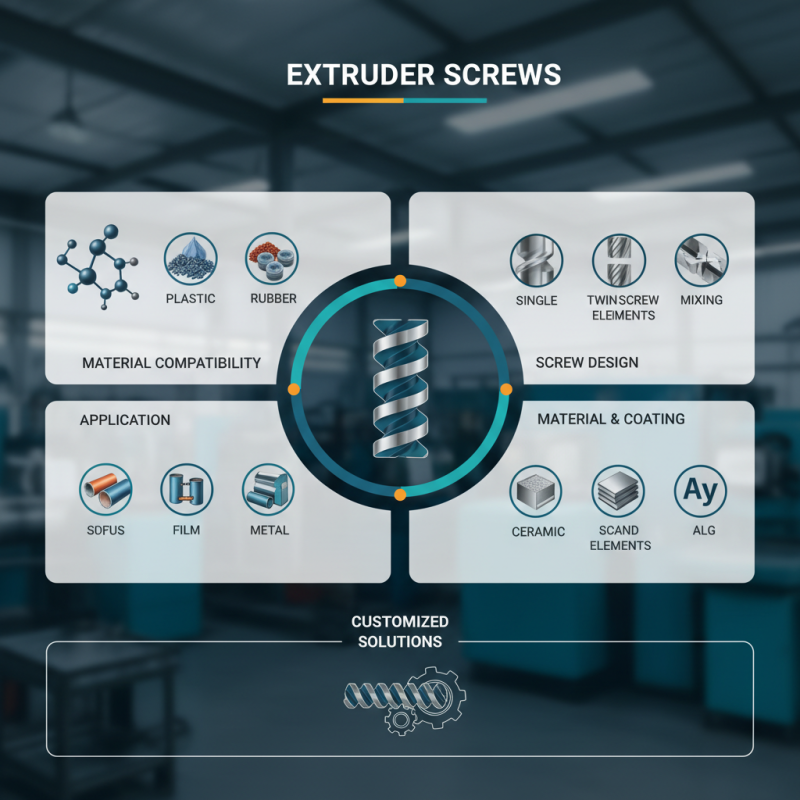
In 2026, advancements in extrusion technology bring new options. Users must consider specific characteristics. Material compatibility and the intended application should guide the decision-making process. A deep understanding of these factors ensures the right fit.

Many still overlook the importance of customized solutions. Not every standard model will meet every requirement. Some may find themselves using underperforming screws. This calls for reflection on production needs. Understanding variations and their implications can lead to better choices in the long run.
2026 Best Extruder Screw Types What to Consider for Purchase?

Types of Extruder Screws: A Comprehensive Overview

When considering the best extruder screw types for purchase, understanding the nuances of various designs is crucial. Extruder screws are not one-size-fits-all. Each type serves different materials and applications. For instance, the design of a barrier screw is tailored for high-viscosity polymers. According to industry reports, such screws can increase output by up to 25% in specific processes.

Another popular type is the mixing screw, which often includes a series of flights that enhance material blending. This is particularly beneficial in applications requiring color masterbatch dispersion. Statistically, proper mixing can lead to a 30% reduction in raw material costs, as stated in a 2022 polymer processing study. However, choosing the wrong screw can result in poor product quality and increased downtime. It’s a balancing act between performance and investment.

More research highlights the importance of screw geometry. Small alterations can significantly influence shear rates and pressure profiles within the barrel. It’s vital to assess your specific operational needs. Misalignment between screw design and material properties can lead to inefficiencies. Reviewing technical specifications and seeking expertise can mitigate these risks. Always consider how the screw type aligns with your production goals.

2026 Best Extruder Screw Types: What to Consider for Purchase?

Screw Type Material Applications Advantages Considerations
Single Screw High-Strength Alloy General Plastics Simple Design, Low Cost Limited Mixing Capability
Twin-Screw Carbon Steel Compounding, Masterbatch Excellent Mixing, High Efficiency Higher Cost, Complex Design
Barrier Screw Stainless Steel High-Viscosity Fluids Improved Melting, Reduced Degradation Requires Precise Engineering
Conical Screw Bronze Thermoplastics Efficient Feeding, Good Compression Limited to Specific Materials
Mixing Screw Aluminum Alloy Reactive Resins Excellent Mixing Performance Rapid Wear with Aggressive Materials

Factors to Consider When Choosing an Extruder Screw

2026 Best Extruder Screw Types What to Consider for Purchase?

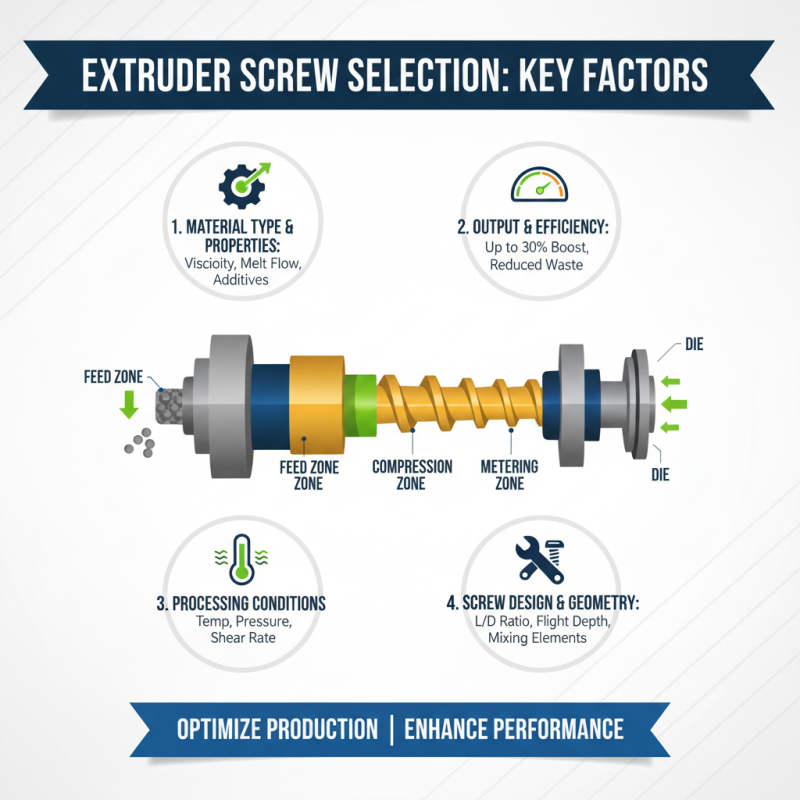
When considering the best extruder screw types, several factors play a crucial role in making an informed decision. The design and configuration of the screw directly impact the material processing efficiency. According to recent industry reports, a properly designed screw can enhance output by up to 30%. This is vital for optimizing production lines and reducing waste.

Material compatibility is another key factor. Different materials require specific screw designs to achieve desired properties like viscosity and melting point. Understanding material behavior during processing is essential. For instance, thermoplastics may need a different configuration than thermosets. The right choice can lead to improved product quality and consistency.

**Tips:**
- Always analyze your material needs first.
- Consult with extrusion experts for tailored advice.

Another aspect to ponder is wear resistance. Screws experience high wear and tear. Selecting alloying materials can enhance durability but may increase costs. Balancing performance and budget is often challenging. It’s wise to consider long-term benefits over short-term savings. Understanding these elements will lead to more effective choices in extruder screw purchases.

Material Compatibility: Matching Screws with Your Application

When choosing an extruder screw, material compatibility is essential for optimal performance. Different materials require specific screw designs to achieve the best results. For instance, polymers like ABS, PVC, or PET have distinct flow characteristics and thermal properties. A report from the Society of Plastics Engineers highlights that mismatched screw designs can lead to poor mixing, degradation, or even complete failure during production.

Selection should consider various factors, such as the material's viscosity and temperature limits. For example, materials with high viscosity may need longer screw flights or a higher compression ratio. Selecting the wrong type can lead to issues. For instance, using a screw with an inadequate design can result in higher shear rates, which may degrade sensitive materials like nylon.

Tips for ensuring compatibility include analyzing material specifications in detail. Familiarize yourself with the recommended screw designs for specific applications. Always refer to reports and studies from credible sources. Testing small batches can provide insights into how materials behave during extrusion. Careful consideration can save time and reduce costly errors in production.

2026 Best Extruder Screw Types - Material Compatibility

Design Features: Enhancements for Efficiency and Performance

When selecting an extruder screw, design features play a crucial role in efficiency and performance. The geometry of the screw affects material flow and heat transfer. A well-designed screw enhances mixing and can minimize degradation of materials. This results in a more consistent final product. Choosing the right screw profile can lead to significant improvements in output quality.

Consider integrating features like barrier sections or mixing elements. These enhancements can optimize the processing of different materials. However, it's essential to balance these features with the specific requirements of your application. Not every enhancement will work for every application, creating a steep learning curve in some cases.

Tips: Assess your material flow and thermal characteristics. Understand how design features impact your process. Experimentation may lead to unexpected results, emphasizing the need for flexibility in your approach. Don’t hesitate to revise your choices based on practical performance outcomes. Each screw design can offer insights into better practices and improvements for future applications.

Cost vs. Quality: Making an Informed Purchase Decision

2026 Best Extruder Screw Types What to Consider for Purchase?

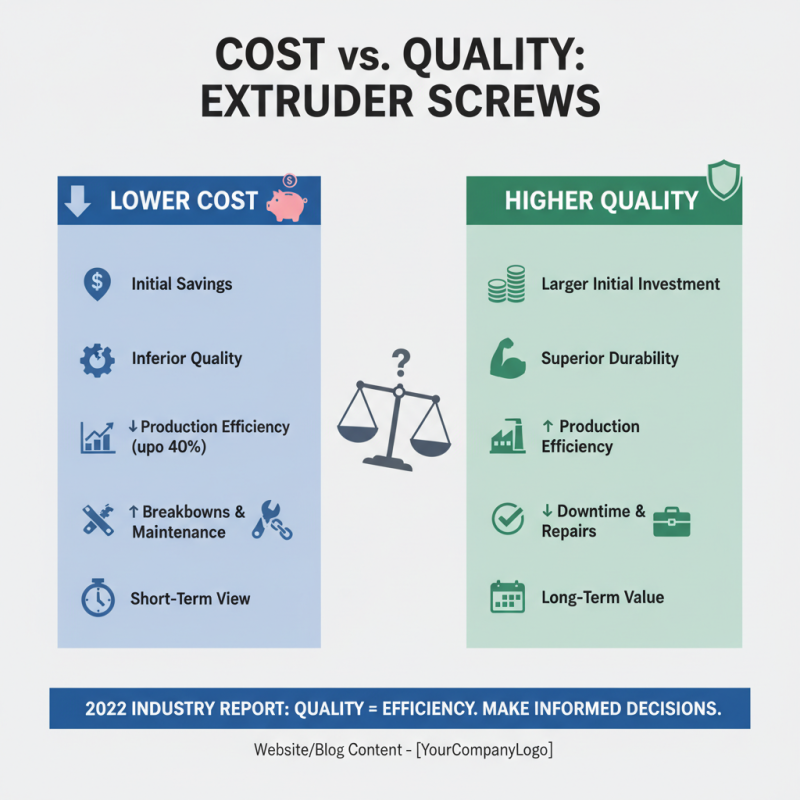
When considering an extruder screw purchase, the balance between cost and quality is crucial. A 2022 industry report indicates that inferior screws can decrease production efficiency by up to 40%. Investing in high-quality screws often results in fewer breakdowns and lower maintenance costs. However, the initial expenditure might be daunting for many manufacturers.

Cost-effective options may seem attractive at first. Yet, cheaper materials might lead to faster wear and tear. According to the Plastics Industry Association, the long-term costs of frequent replacements can outweigh upfront savings. A screw's lifespan is directly linked to the materials used. High-quality alloys may have a higher price tag but ensure better durability over time.

Choosing the right screw type involves analyzing both performance and longevity. Research shows that screw design impacts melt quality and output rates significantly. It is essential to consider how the screw will perform in specific applications. Manufacturers must weigh the consequences of overspending or underinvesting in their equipment. Each choice carries potential risks that could affect overall productivity.