2026 Top Blown Film Extruder Machines for Global Buyers?
The Blown Film Extruder Machine is crucial for packaging and materials production. In the competitive global market of 2026, selecting the right machine can significantly impact efficiency. Buyers must consider various factors, including quality, durability, and technological advancements.
Choosing a Blown Film Extruder Machine is not straightforward. Many options exist, and each has unique specifications and performance capabilities. Understanding these differences requires expertise and careful evaluation. The wrong choice could lead to increased production costs and operational inefficiencies.
As buyers explore their options, they should consult industry professionals and reliable resources. Experiences shared by others can provide valuable insights. Ultimately, making an informed decision about a Blown Film Extruder Machine can lead to better product quality and customer satisfaction. Reflecting on past choices and seeking expert opinions are vital steps in this process.
Overview of Blown Film Extrusion Technology
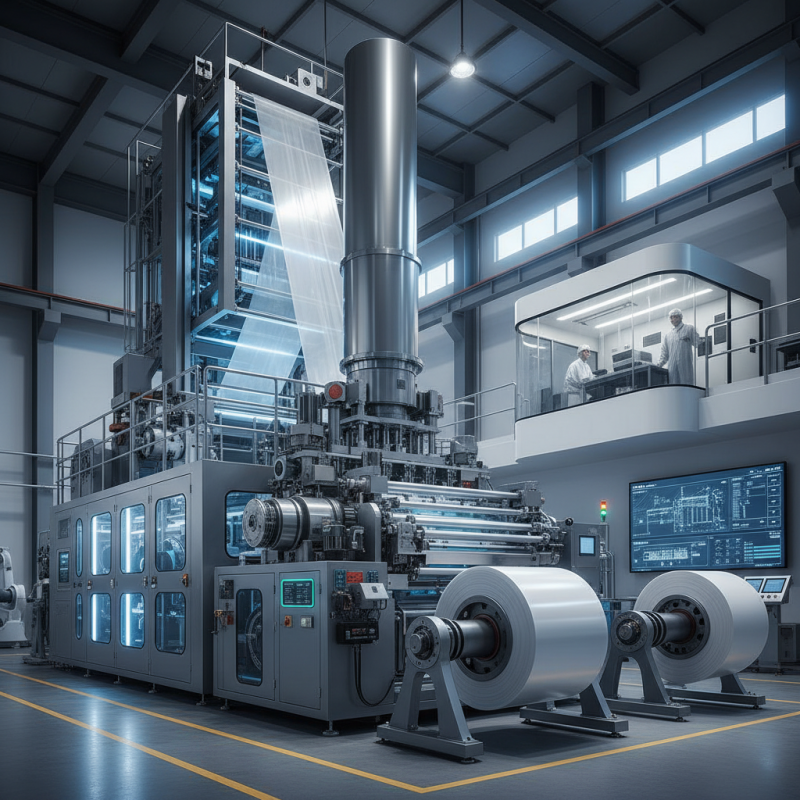
Blown film extrusion is a vital process in the packaging industry. This technology produces thin plastic films used in various applications, including food packaging and agricultural covers. The global blown film market is expected to reach $16 billion by 2026, driven by rising demand for flexible packaging solutions.
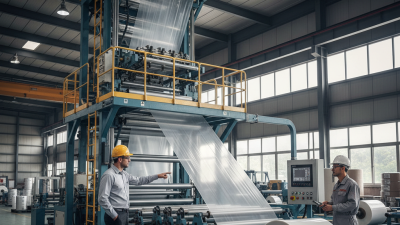
During the blown film extrusion process, molten plastic is extruded into a bubble. This bubble is then cooled and flattened to create film. Data indicates that the efficiency of this process can impact overall production costs significantly. Companies must consider factors like extrusion speed and cooling rate for optimal results.
Tip: Regularly maintain your extruder machine to enhance output efficiency.
Understanding the intricacies of blown film extrusion is crucial. Different resins yield different film properties. Recent industry studies highlight the significance of material selection in achieving desired strength and flexibility. A mismatch can lead to subpar products and financial losses. Identifying the right balance between quality and cost remains a challenge for many producers.
Tip: Investigate new materials that can improve film quality while reducing costs.
Investing in advanced control systems can optimize the extrusion process. Technology enables real-time adjustments based on performance metrics. However, the implementation of such systems may present learning curves. Firms must weigh the immediate costs against potential long-term benefits.
2026 Top Blown Film Extruder Machines for Global Buyers
| Model |
Output Capacity (kg/h) |
Film Width (mm) |
Layer Structure |
Technology Features |
| Model A |
300 |
1600 |
3 Layer |
High Efficiency, Energy Saving |
| Model B |
500 |
2000 |
5 Layer |
Advanced Control System, Low Maintenance |
| Model C |
400 |
1800 |
3 Layer |
User-friendly Interface, High Precision |
| Model D |
350 |
1500 |
3 Layer |
Compact Design, Fast Start-up |
Key Features of Top Blown Film Extruder Machines in 2026
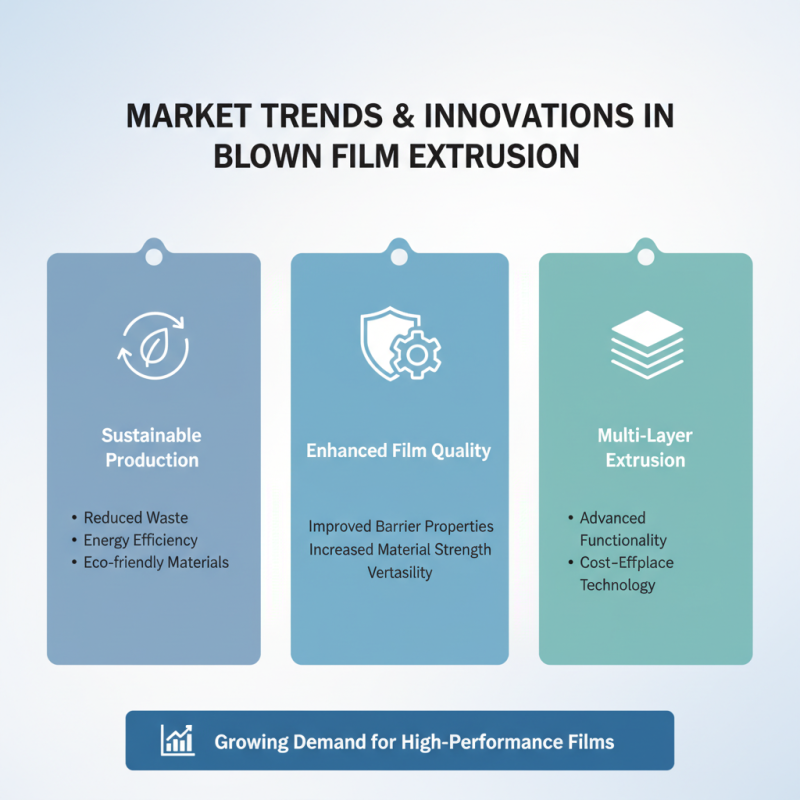
In 2026, the blown film extrusion industry is witnessing significant technological advancements. Manufacturers prioritize efficiency and sustainability. Buyers seek machines that provide superior output without compromising the environment. The demand for energy-efficient models has surged as businesses aim to reduce operational costs while minimizing their carbon footprint.
Key features of top blown film extruder machines include enhanced production speed and versatile material compatibility. These machines offer easy adjustments for different film thicknesses and widths. Modern models incorporate advanced control systems, allowing real-time monitoring. This leads to improved quality consistency. However, choosing the right machine can be daunting. Not all machines equally excel in performance or durability.
Another critical feature is the ability to recycle materials. Machines capable of processing recycled materials contribute to a circular economy. However, buyers must evaluate the trade-offs between cost and capability. Some machines may lack robustness when handling certain recycled materials. Ignoring this detail can result in production inefficiencies. Buyers should focus on the long-term impacts of their choices.
Leading Manufacturers of Blown Film Extruders Globally
The global market for blown film extruders is evolving rapidly. Many manufacturers are now focusing on efficient production processes. These advancements are driven by the demand for high-quality films in various applications. Industries are seeking machines that offer reliability and cost-effectiveness.
Leading manufacturers in this sector have embraced innovation. They are incorporating automation and smart technologies into their machines. This shift aims to enhance productivity and minimize waste. However, challenges remain. Achieving balance between performance and operational simplicity can be tricky. Some manufacturers still struggle with integrating these technologies smoothly.
Additionally, the market is packed with choices. Buyers often face difficulties in selecting the right machines. Factors like material compatibility and output consistency are crucial. Many manufacturers provide extensive guidance, yet potential buyers must do their homework. Industry trade shows offer opportunities to see machines in action, which can assist in making informed decisions.
2026 Top Blown Film Extruder Machines Global Market Analysis
Considerations for Buyers of Blown Film Extruders in 2026
When purchasing blown film extruders in 2026, several key considerations arise. Buyers should evaluate the machine's efficiency carefully. Energy savings can significantly impact overall operational costs. Efficiency in production can also affect cycle times. These factors should be weighed against initial investment.
The material compatibility is another vital factor. Different applications require specific resins. Ensure that the extruder can handle a range of materials. Flexibility may seem like an advantage, but it can also lead to complexities in operation. Buyers must consider the learning curve involved with new materials.
Lastly, after-sales support remains essential. A reliable service network is crucial for minimizing downtime. Training and maintenance support impact longevity and performance. While some vendors may promise quick fixes, not all deliver on that promise. Buyers should research and reflect on their options before making a decision.